
 English
 Español
 Русский
 Français
 Português
 العربية

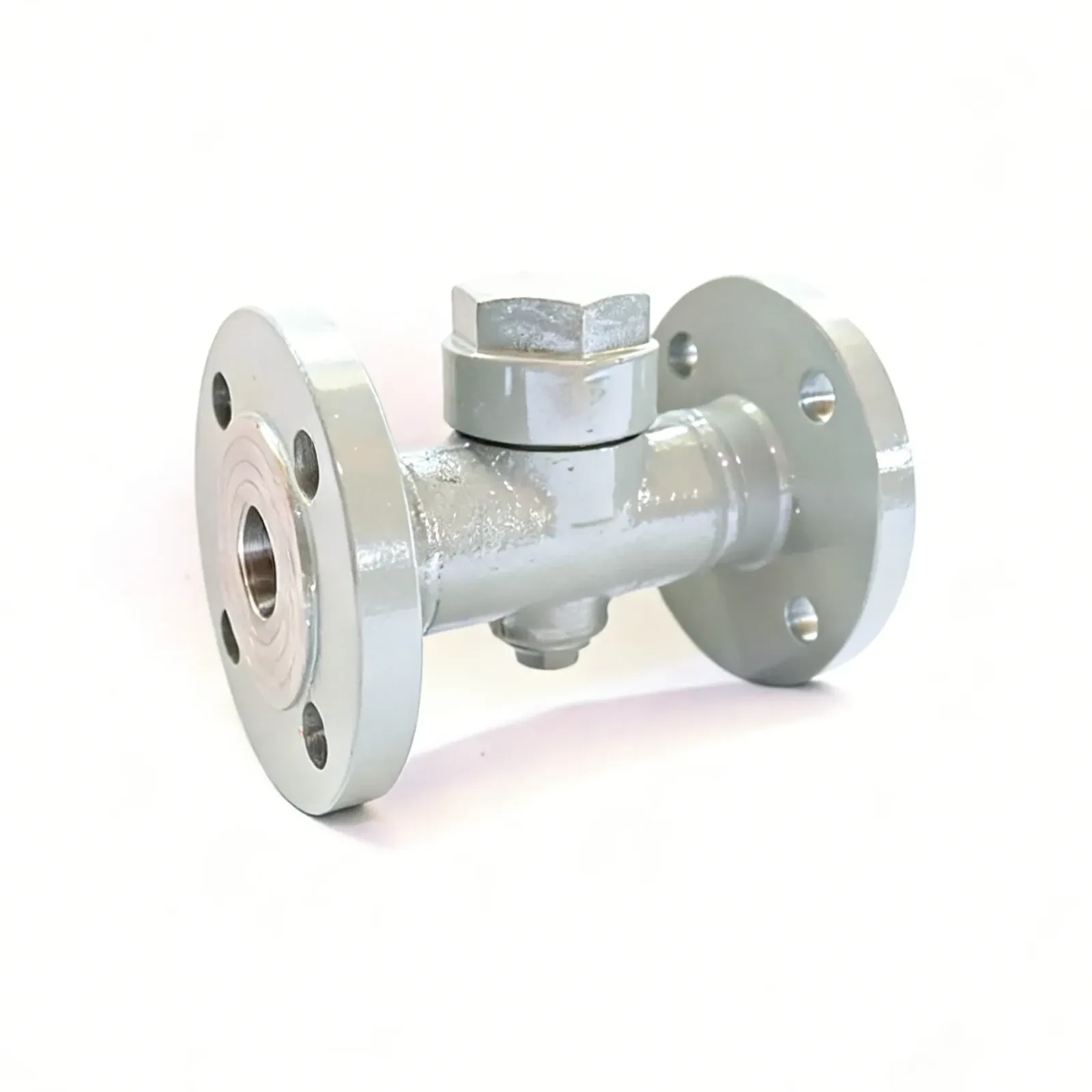
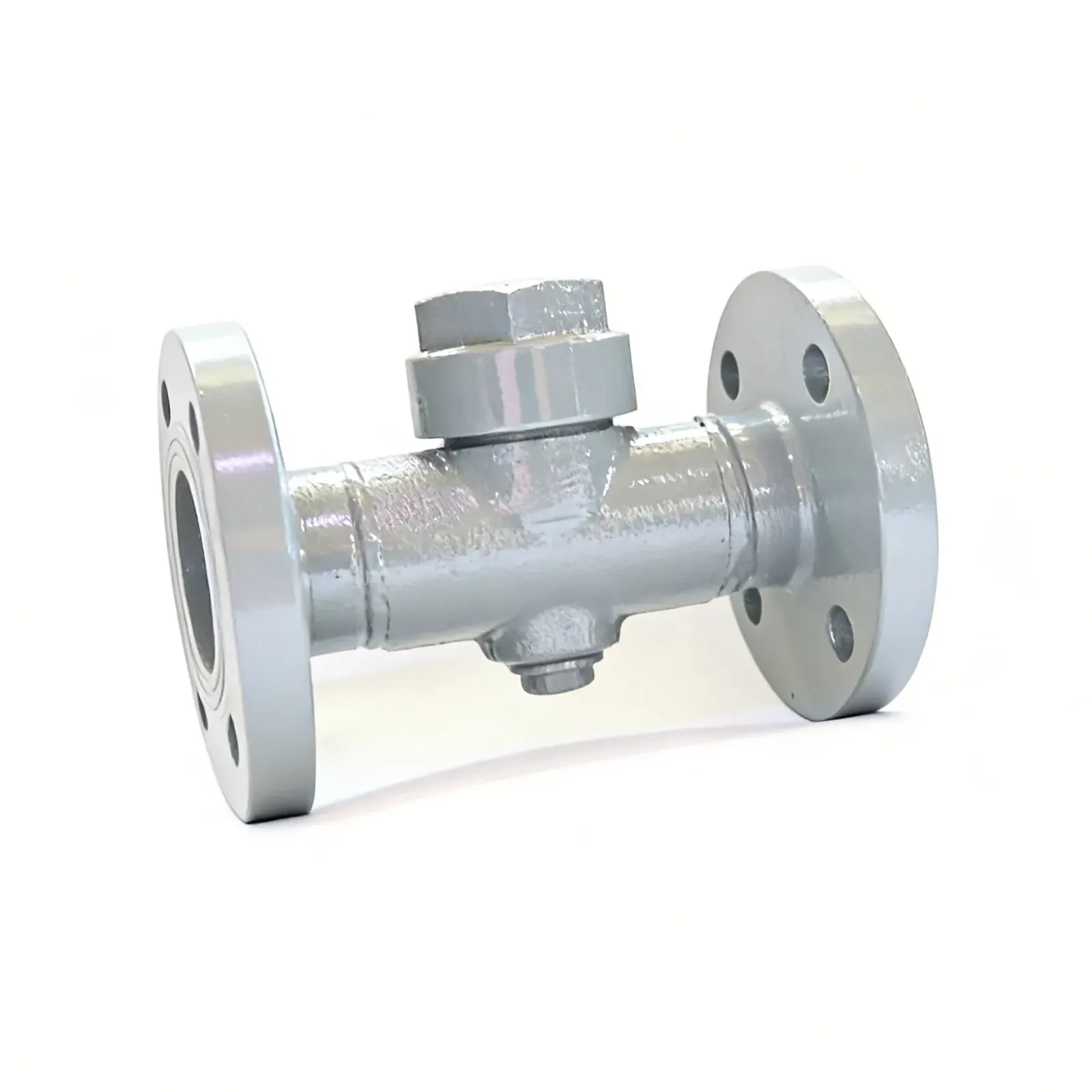
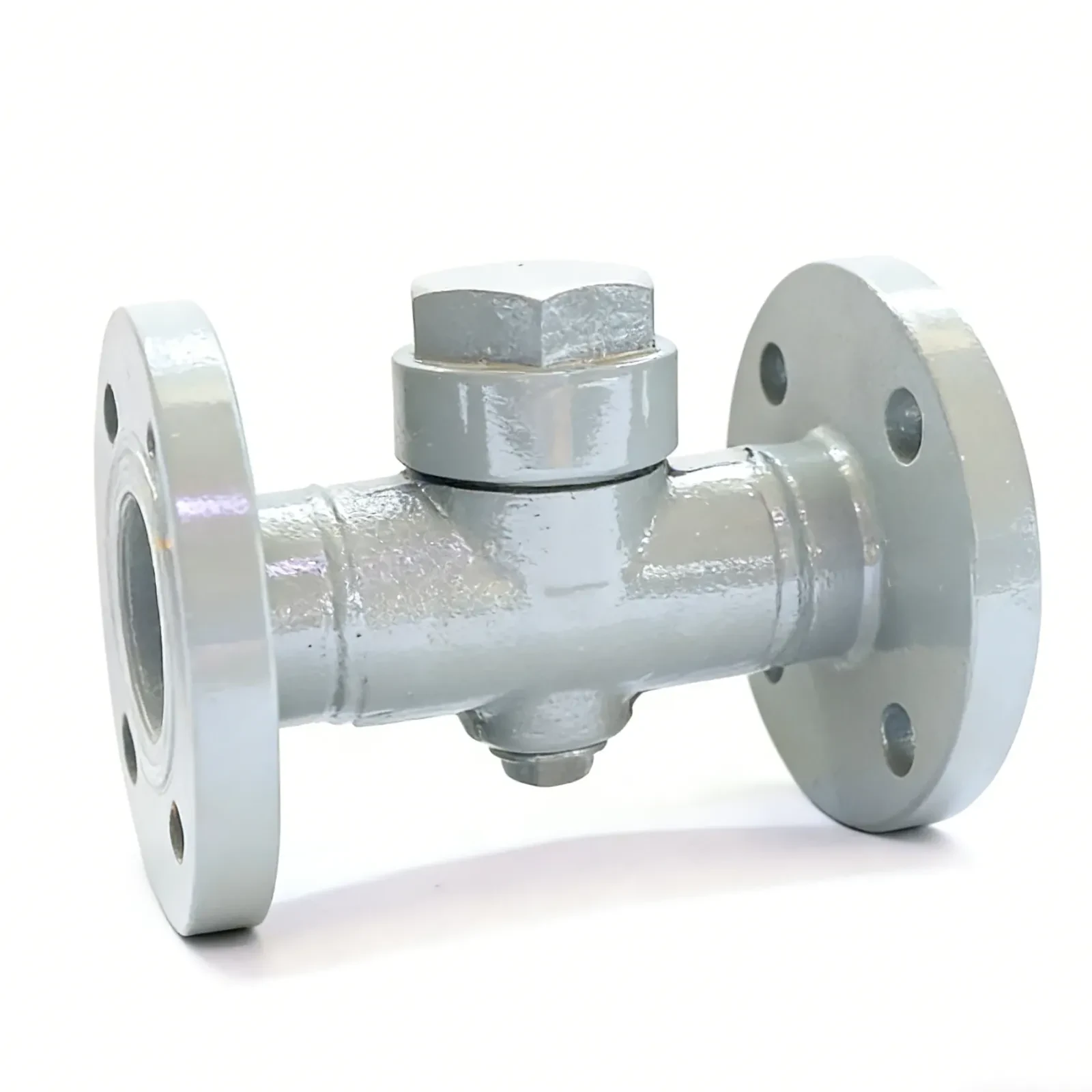
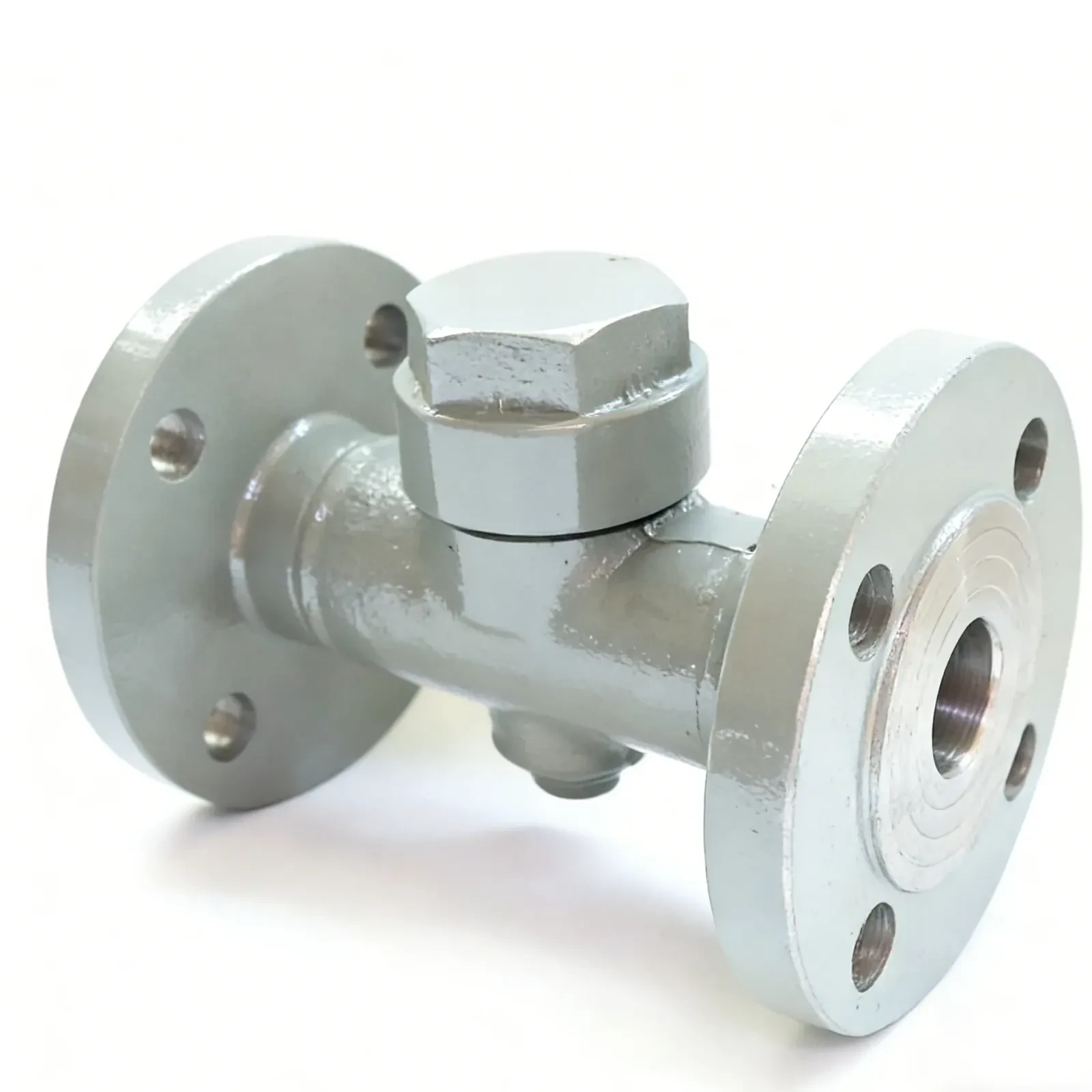
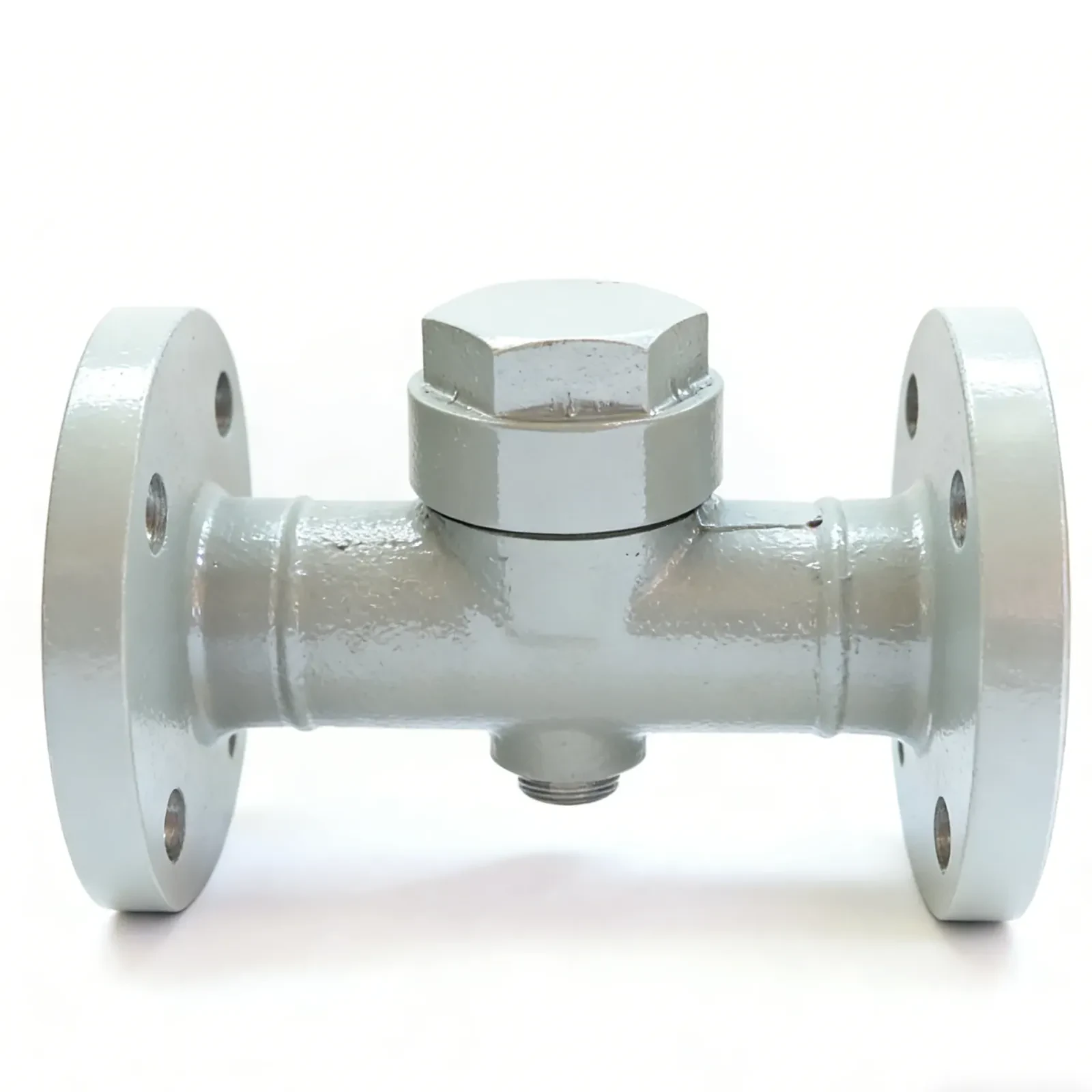
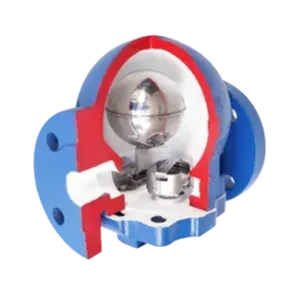
Steam Trap
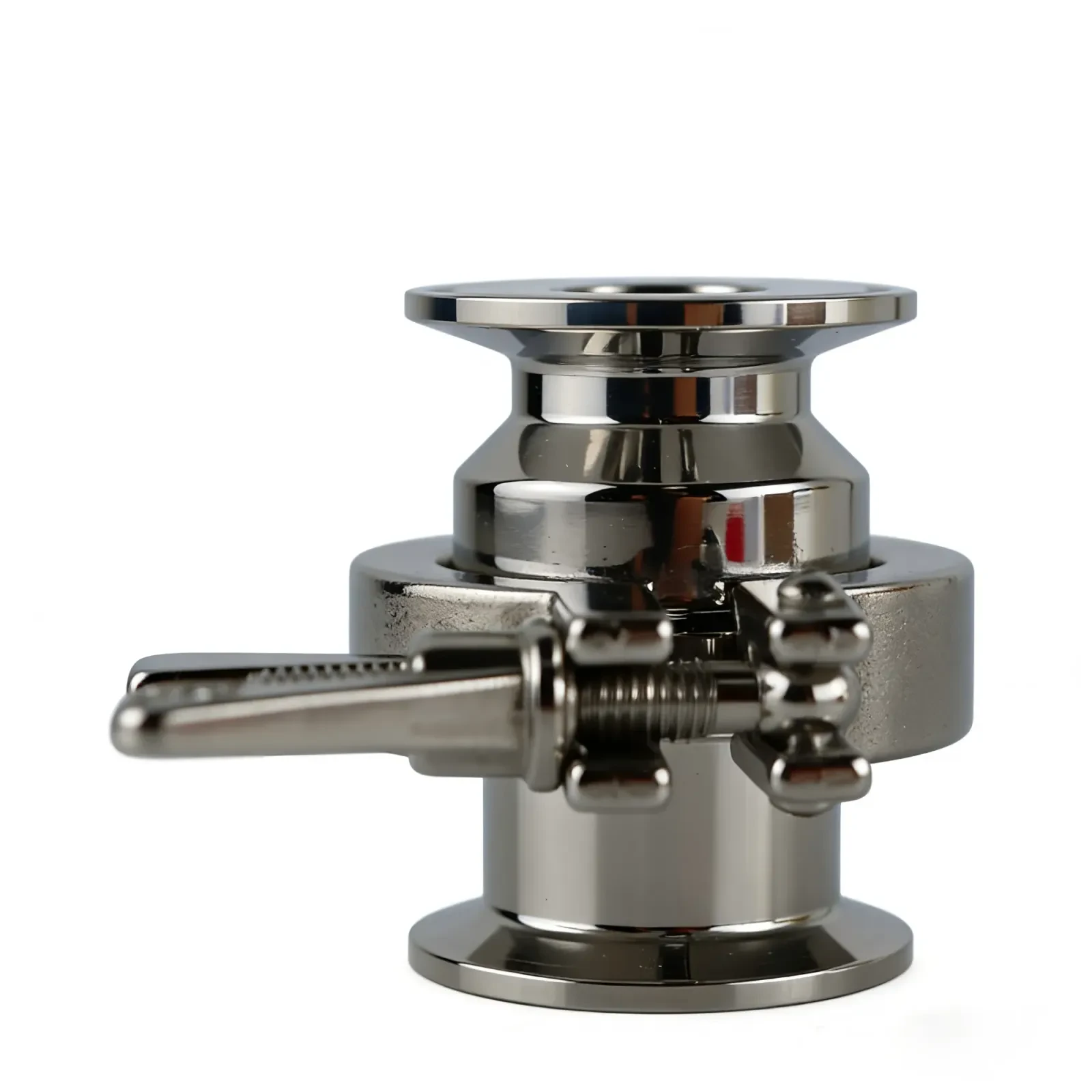
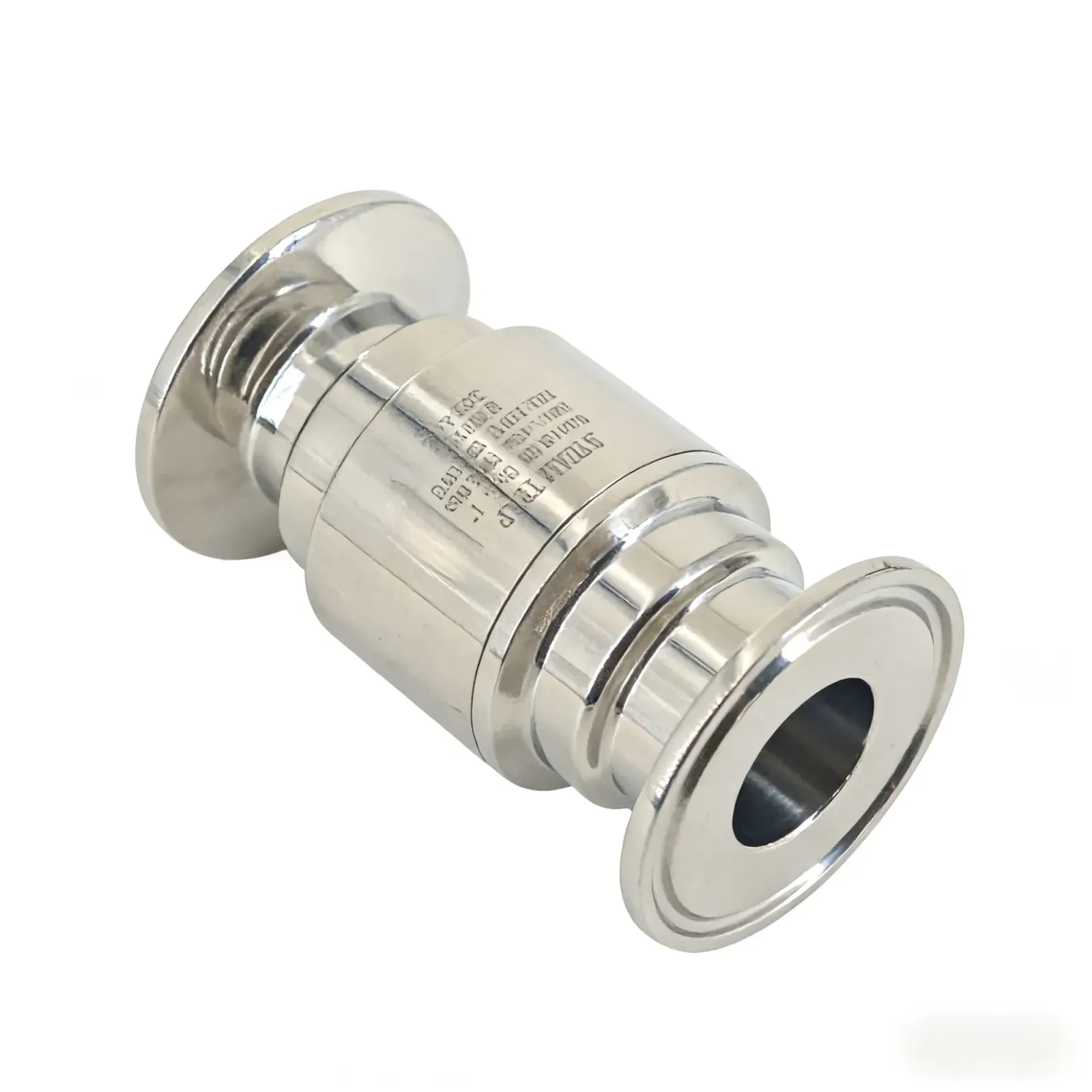
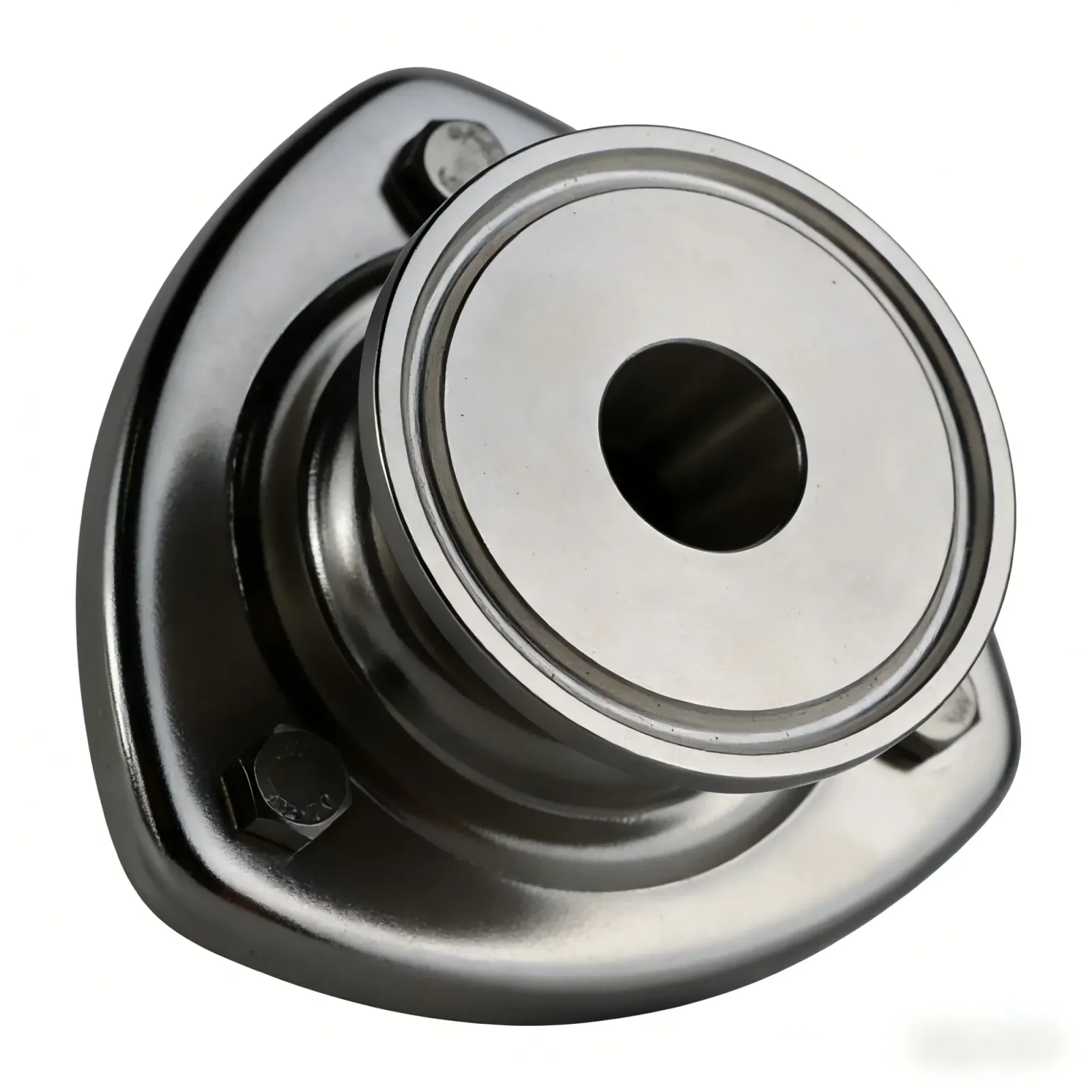
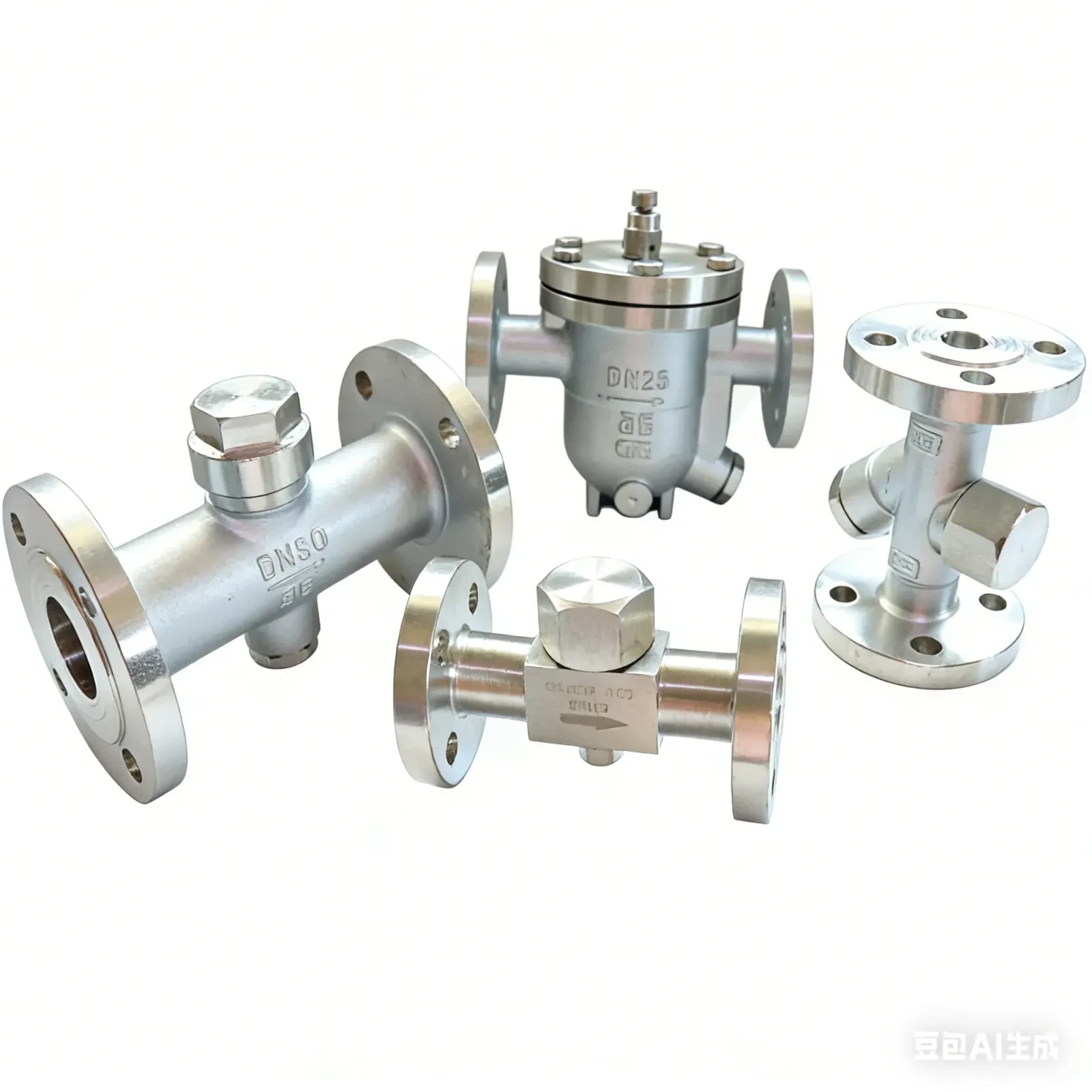
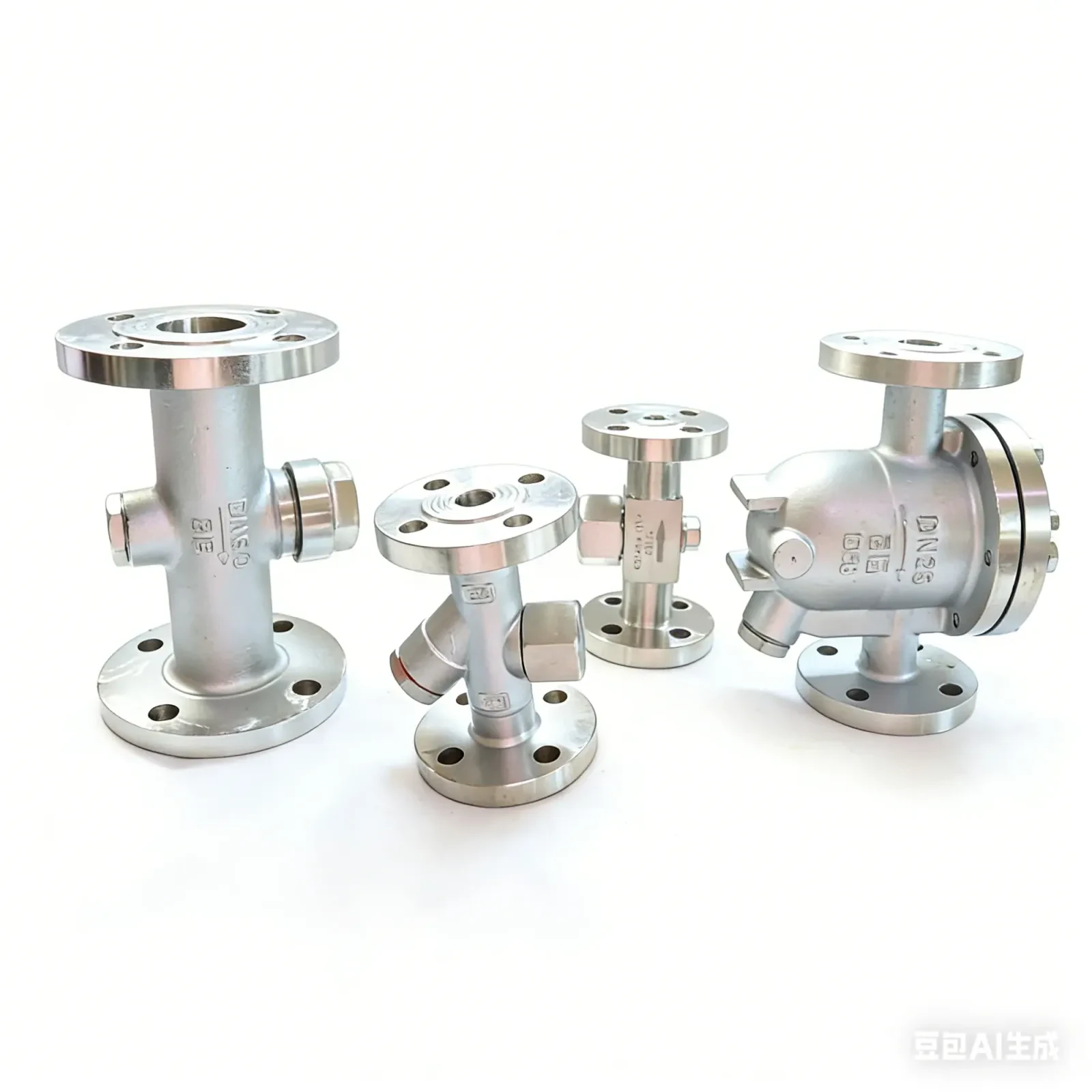
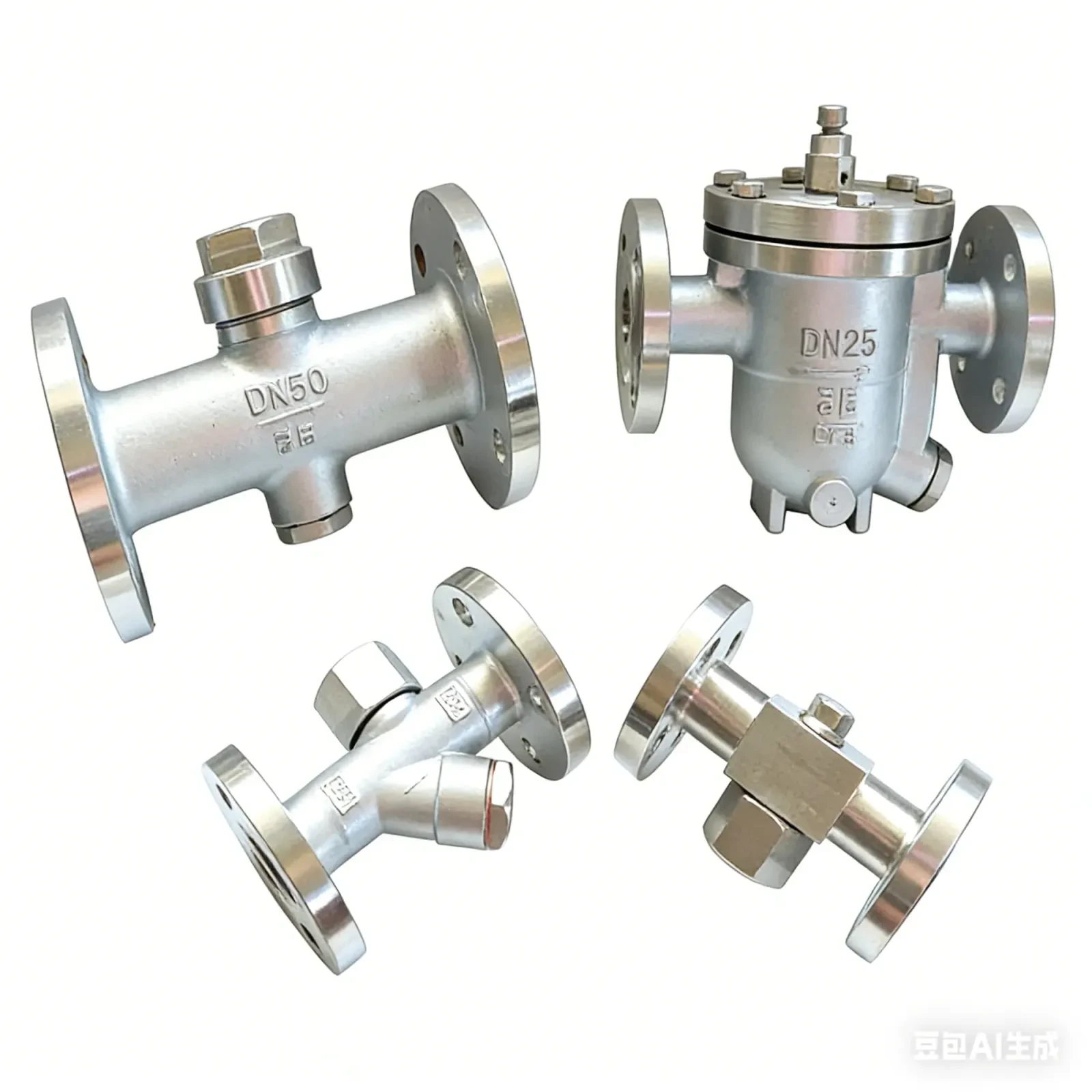
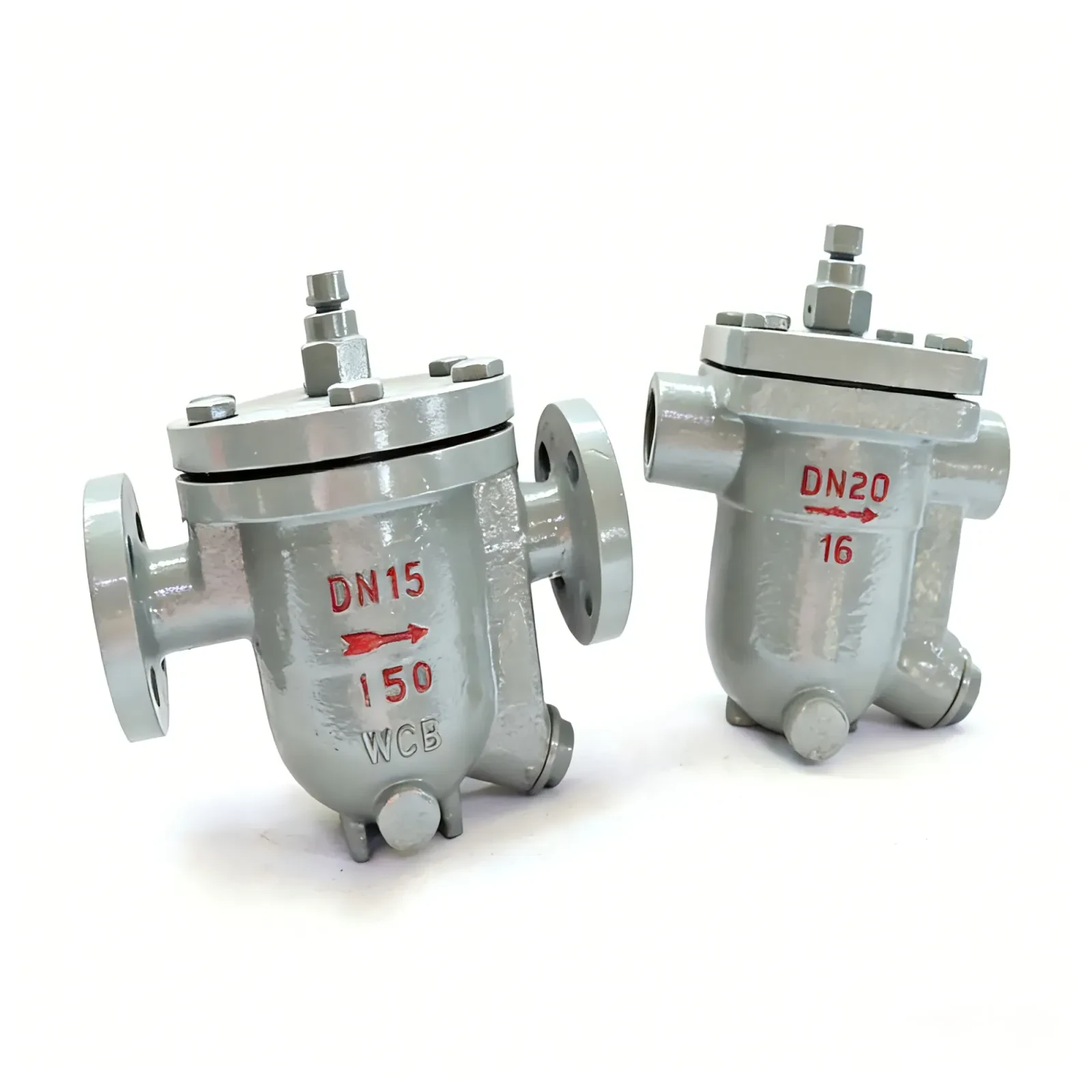
STAINLESS STEEL Ball Float Superheated Water flange Steam Trap
- 品牌
- JONENG
- 物料号
- LD-581860938
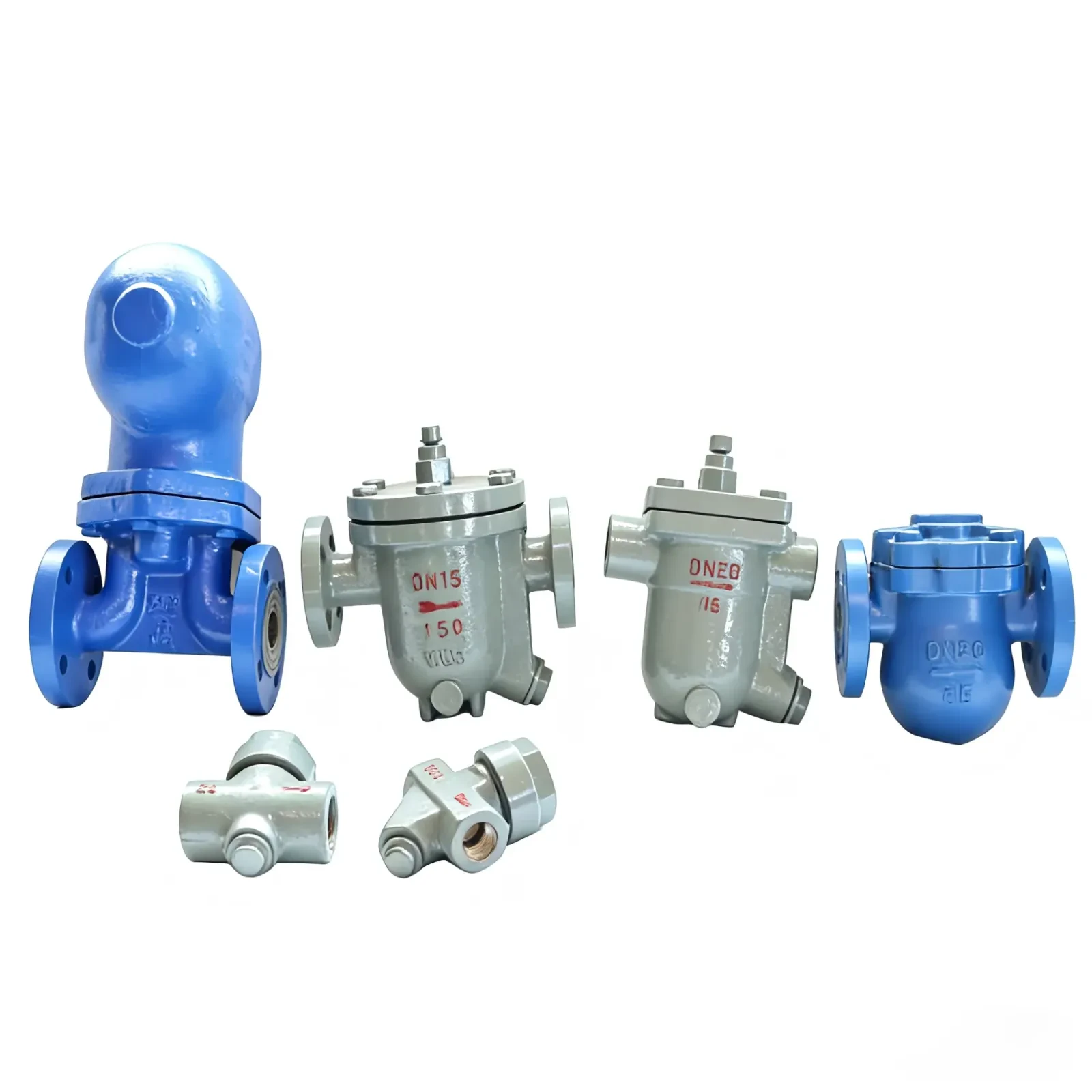
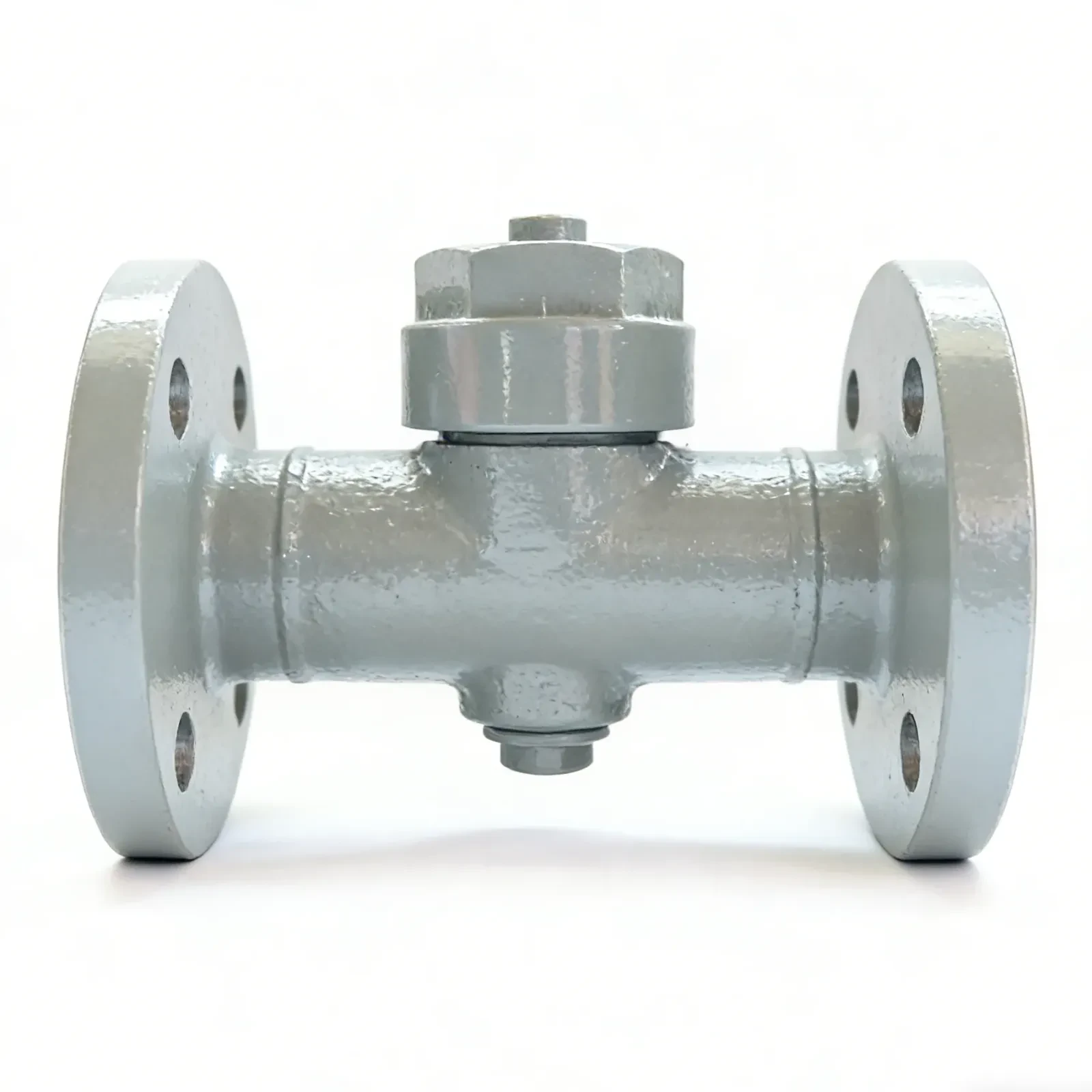
steam traps are available in threaded and flanged types, with various sizes and pressure ratings. They are high-temperature and corrosion-resistant, offer sensitive opening and closing, and provide stable drainage, making them suitable for steam systems.
Description
steam trap are available in threaded and flanged types, with various sizes and pressure ratings. They are high-temperature and corrosion-resistant, offer sensitive opening and closing, and provide stable drainage, making them suitable for steam systems.
更多 Steam Trap 产品
相关产品
-
-
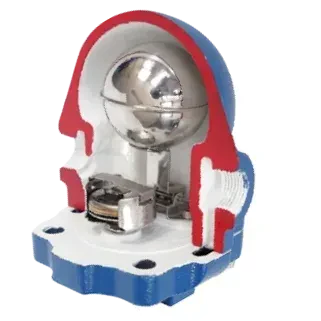 视频
视频
STAINLESS STEEL TLV Ball Float Testing Steam Trap
LD-573799838
-
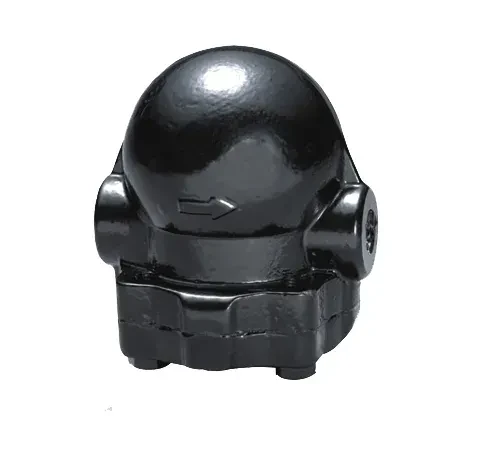 视频
视频
-
 视频
视频
-
 视频
视频
-
 视频
视频
-
 视频
视频
-
 视频
视频
-
 视频
视频
-
 视频
视频
-
 视频
视频
-
 视频
视频
- 查看全部 Steam Trap