
 English
 简体中文
简体中文
 Русский
 Français
 Português
 العربية

Tee
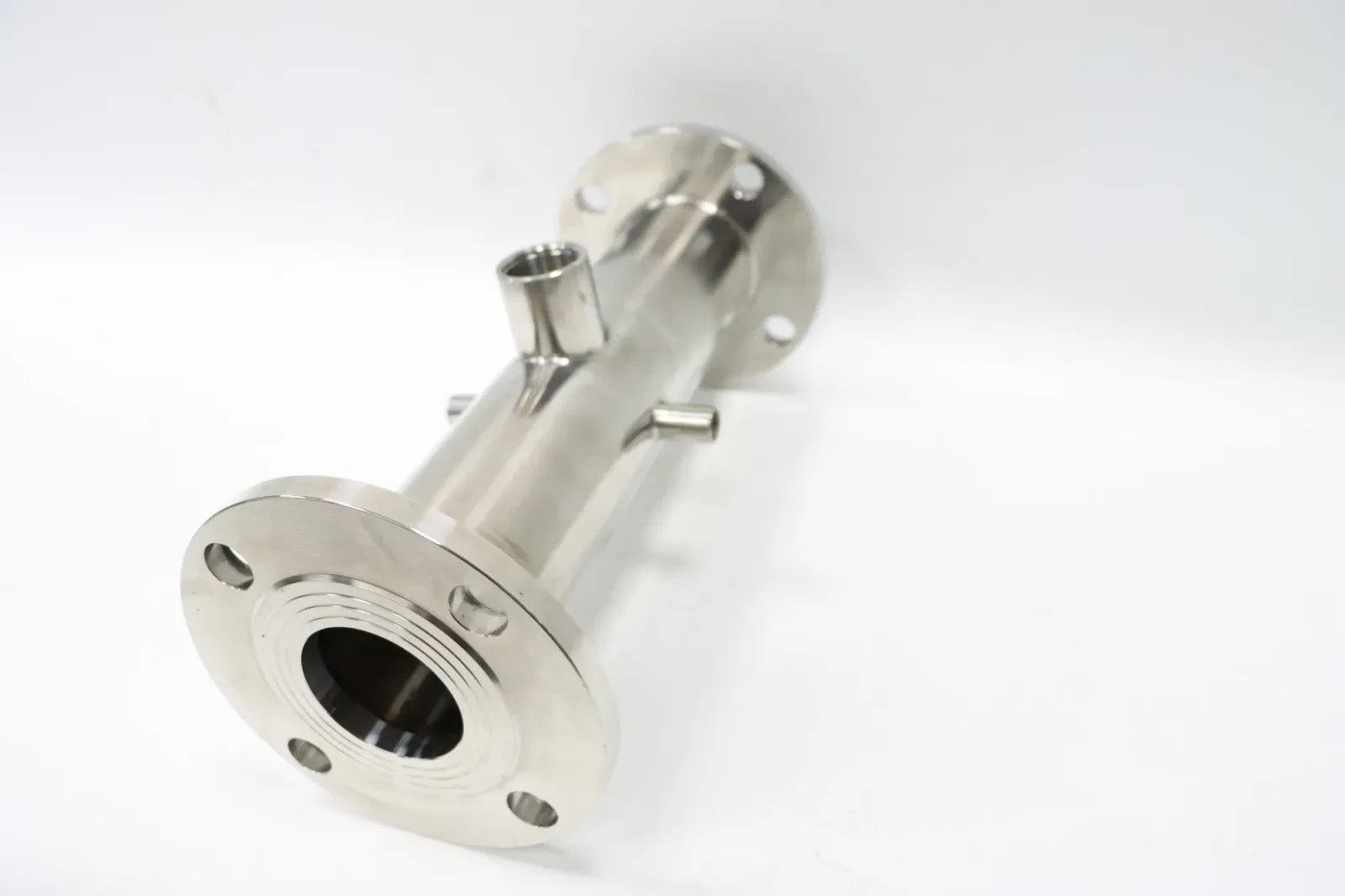
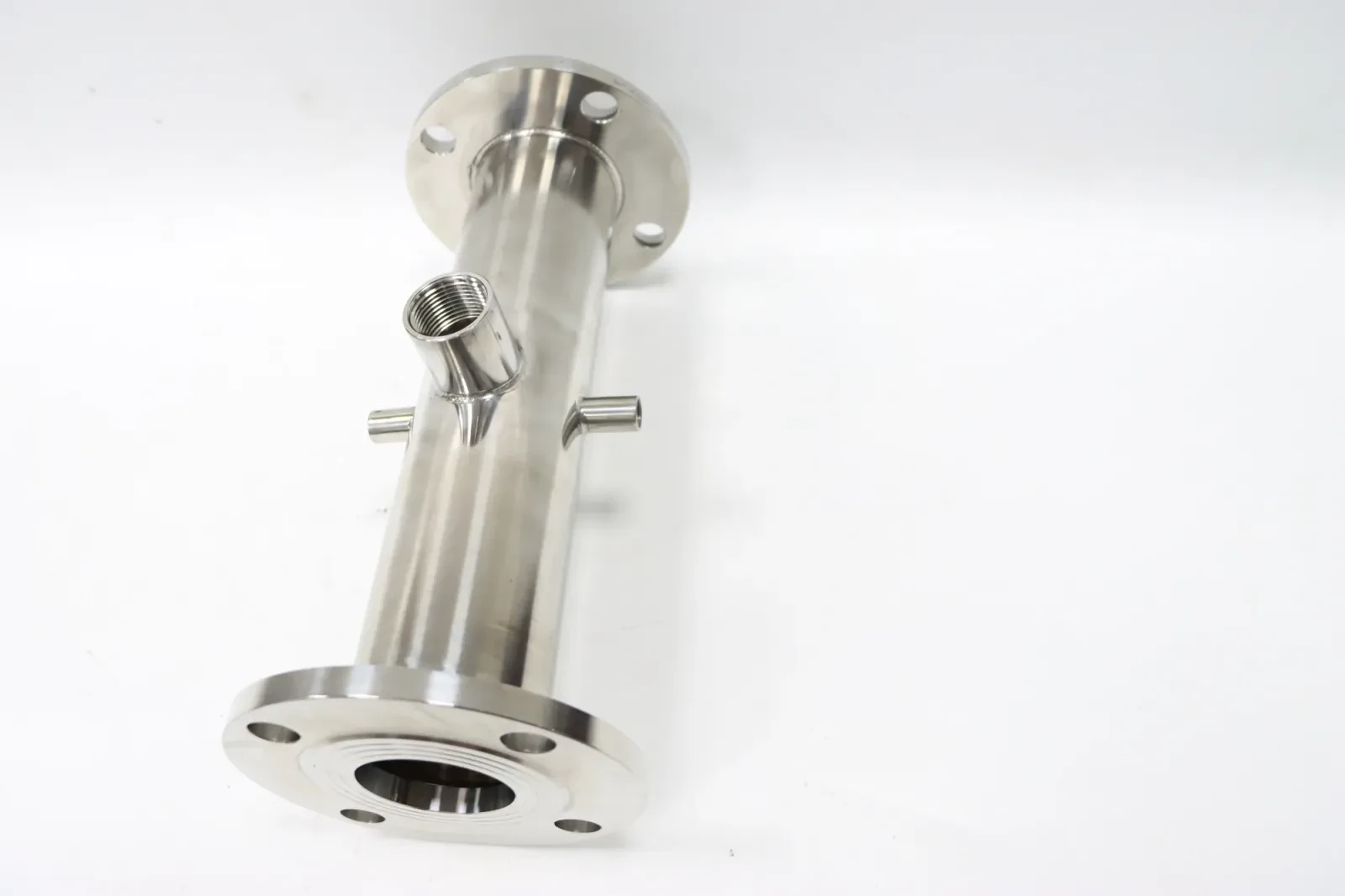
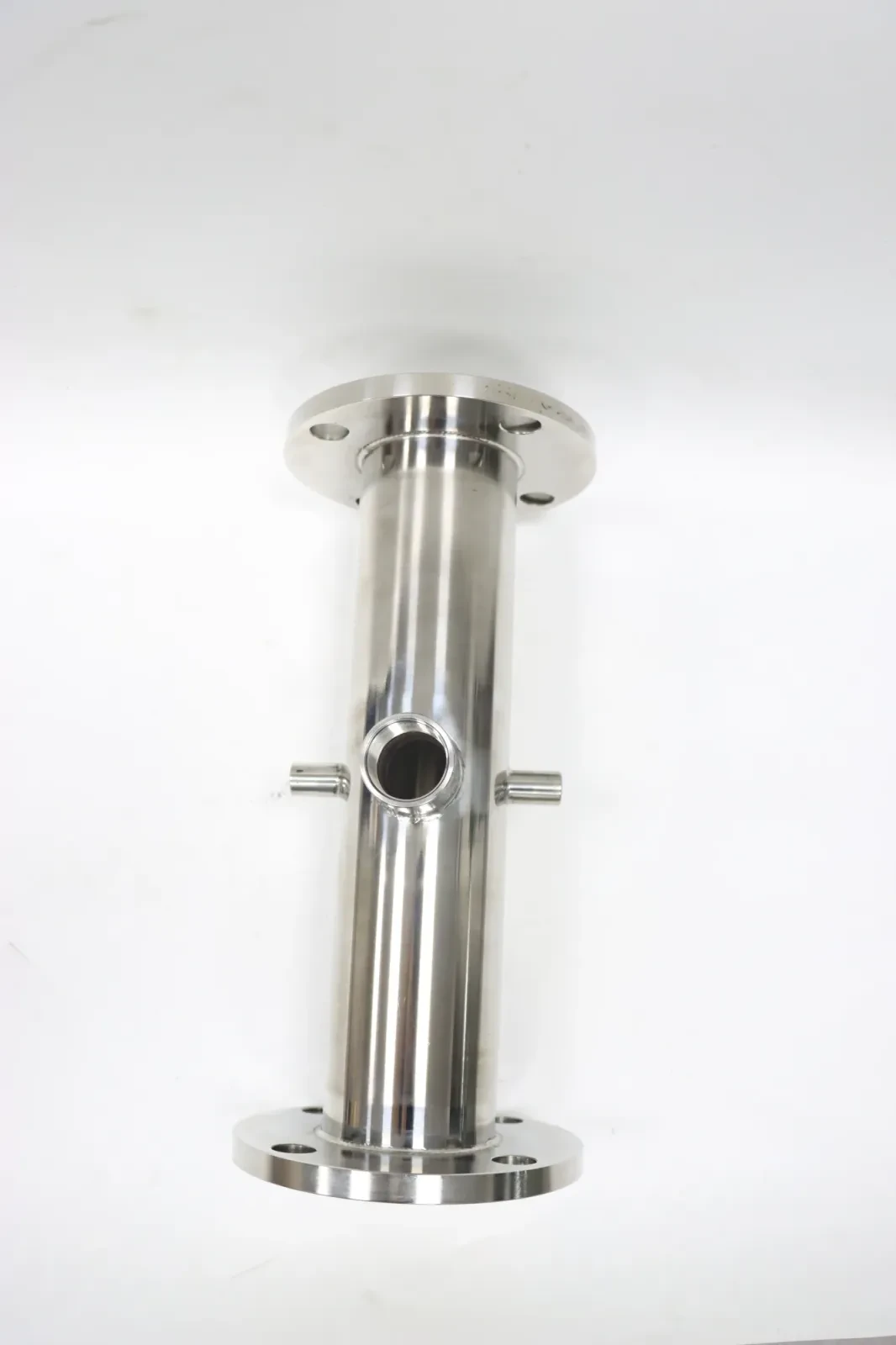
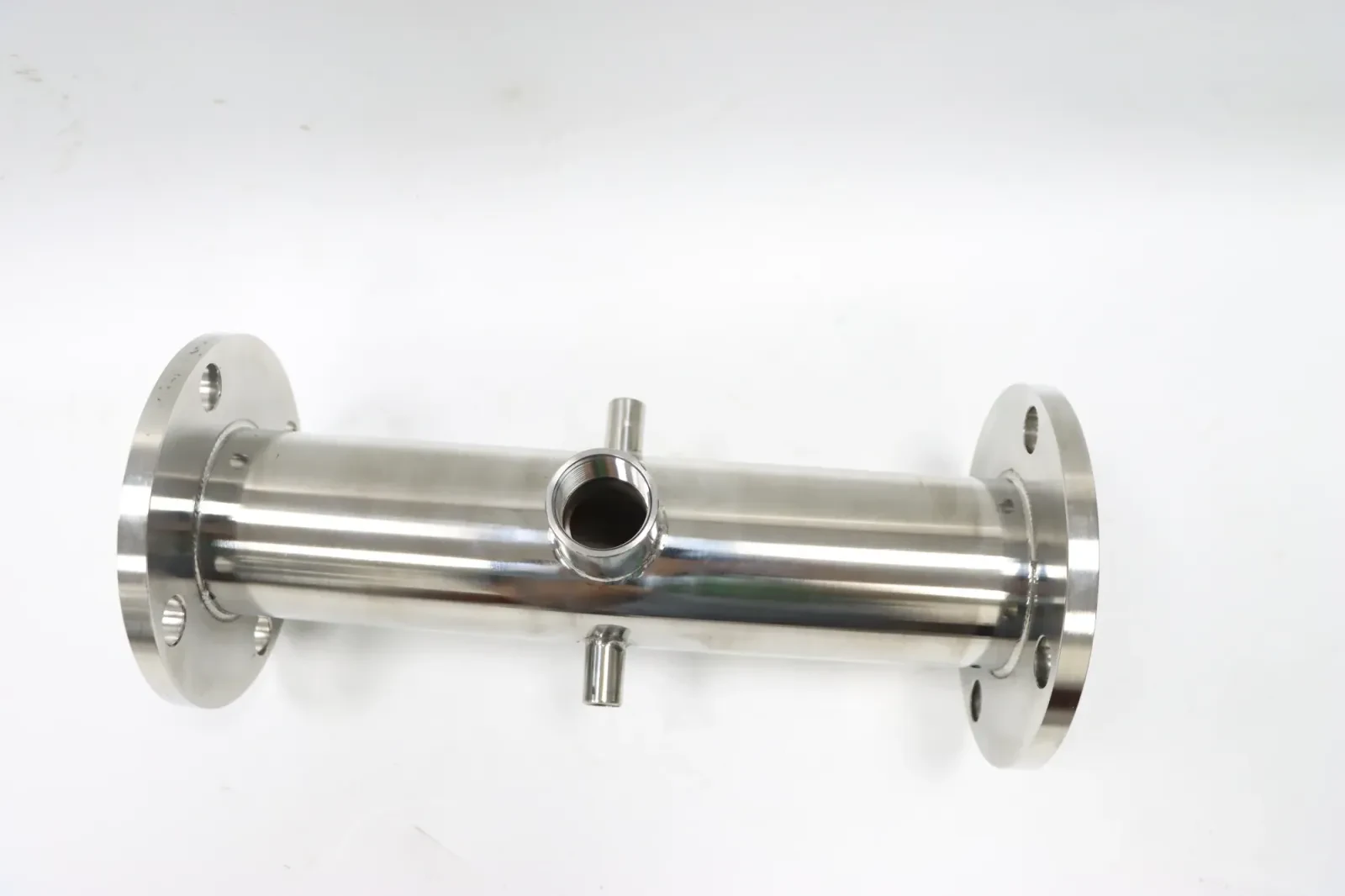
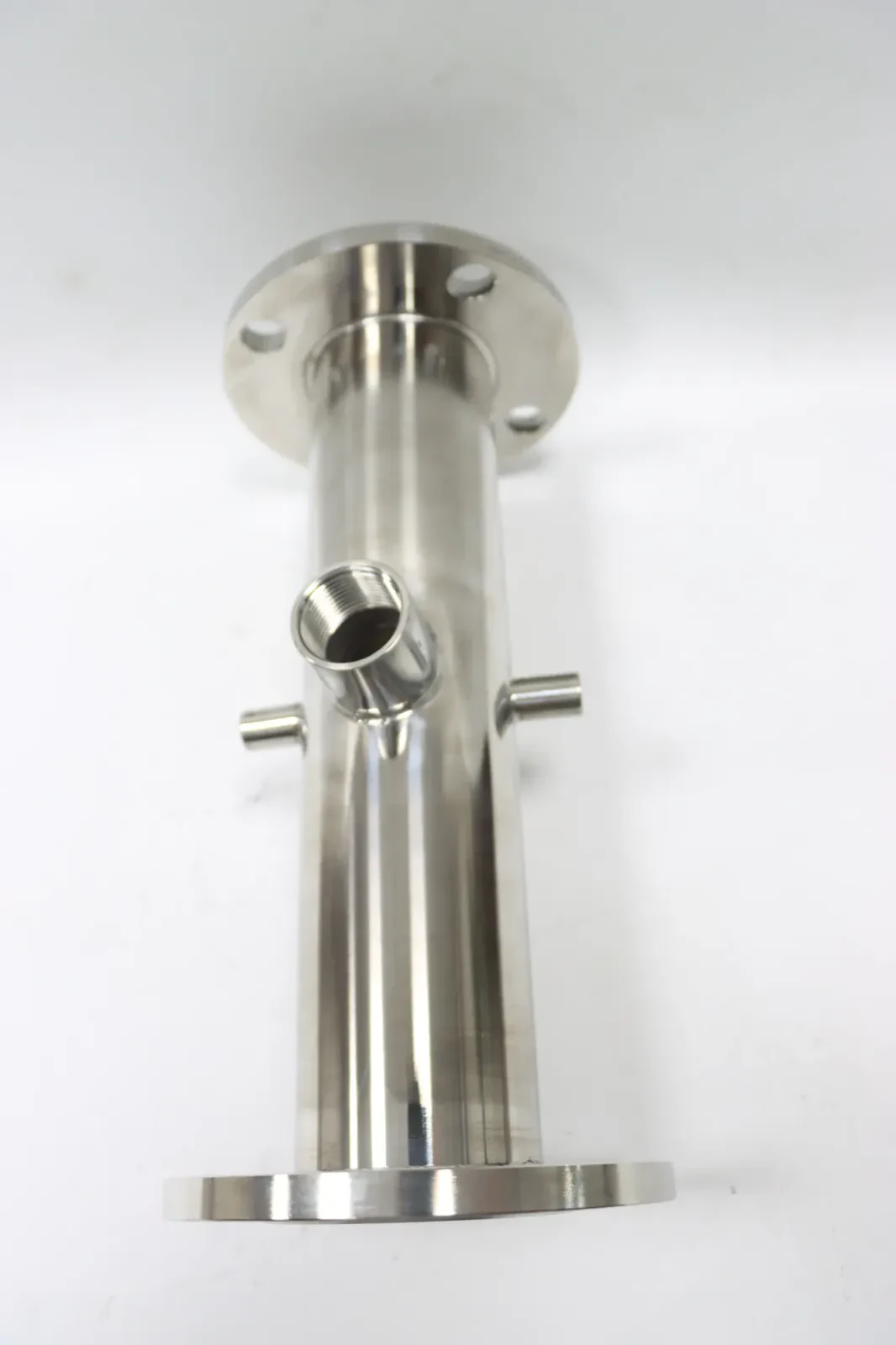
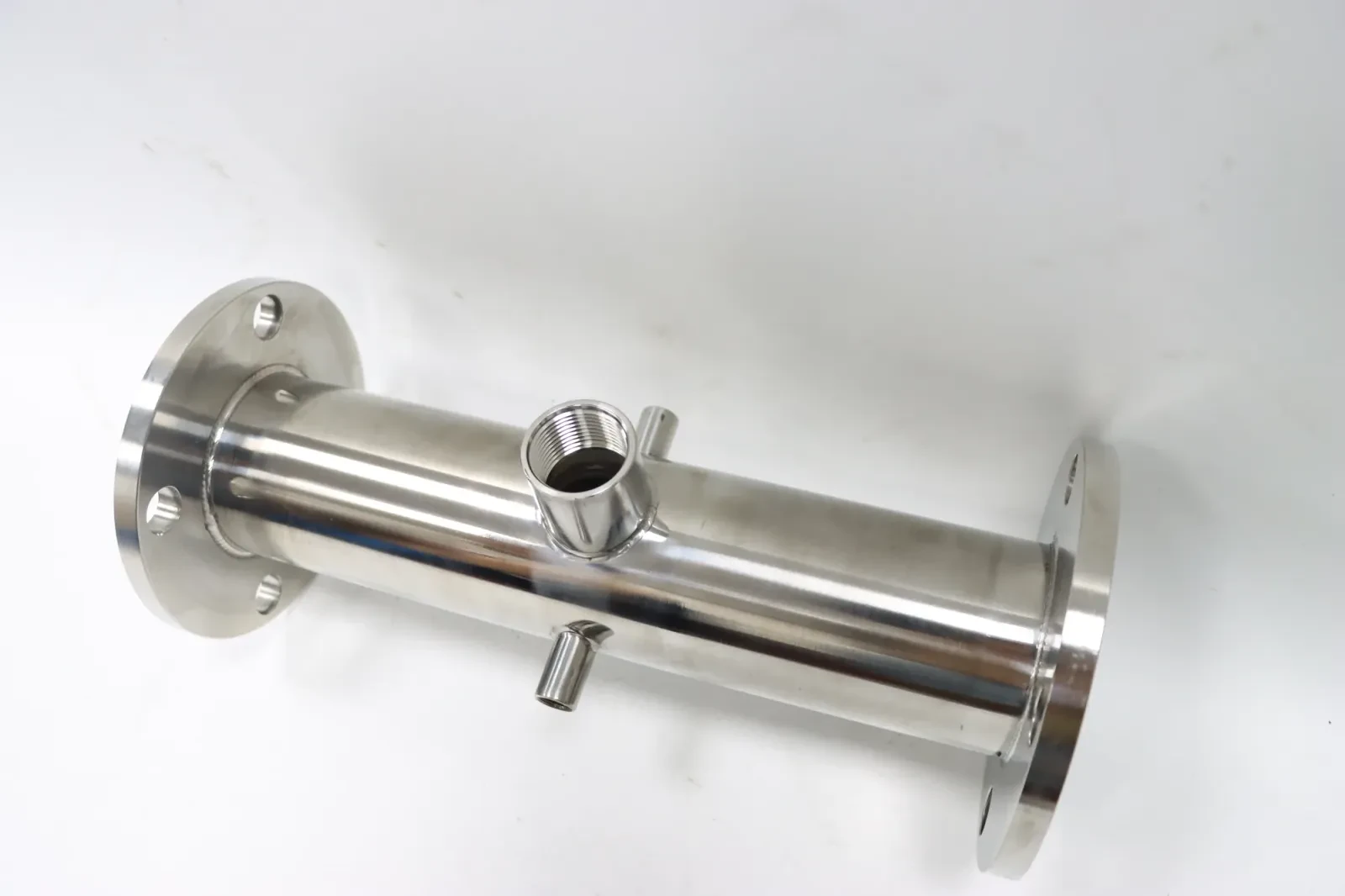
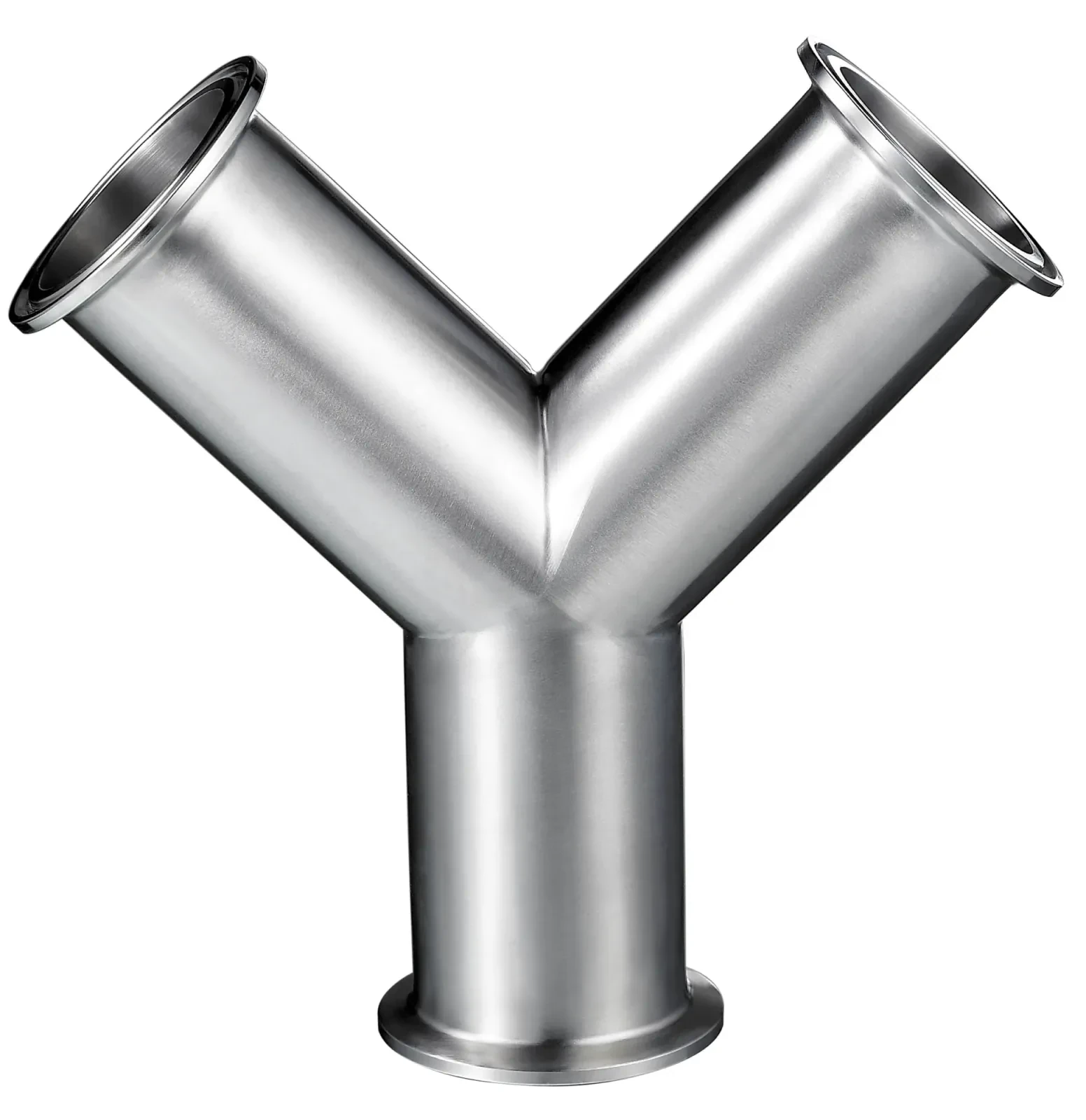
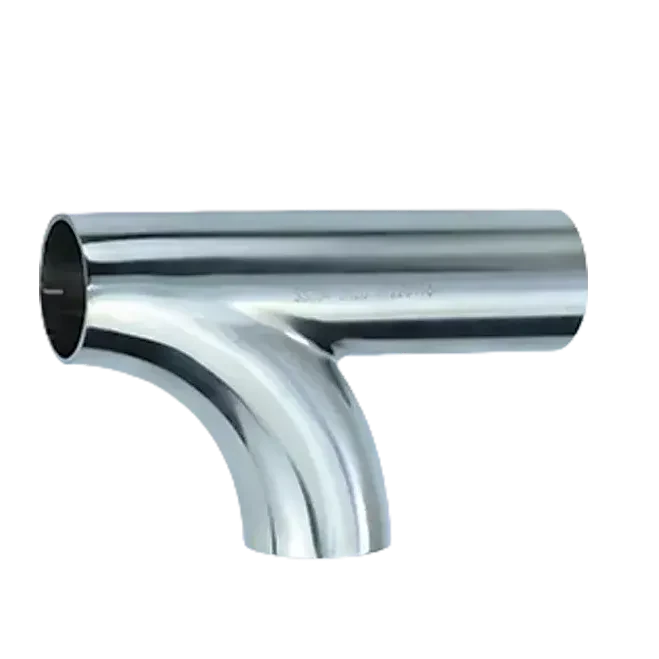
Stainless steel constant pressure reducing five-way welded flange pipe fitting
- Marca
- JONENG
- Referencia
- LD-539942148
Stainless steel constant-pressure reducing five-way welded flange pipe fittings are essential for industrial fluid systems (water supply, oil, gas, chemicals). With five ports of customizable diameters, they enable multi-directional fluid distribution/convergence and smooth adaptation between different-sized pipelines. Boasting leak-proof, high-pressure-bearing welded flanges, these 304/316L stainless steel fittings offer strong corrosion resistance and durability. Ideal for harsh environments demanding pipeline integrity, they are widely used in petrochemicals, power generation, and water treatment.
Description
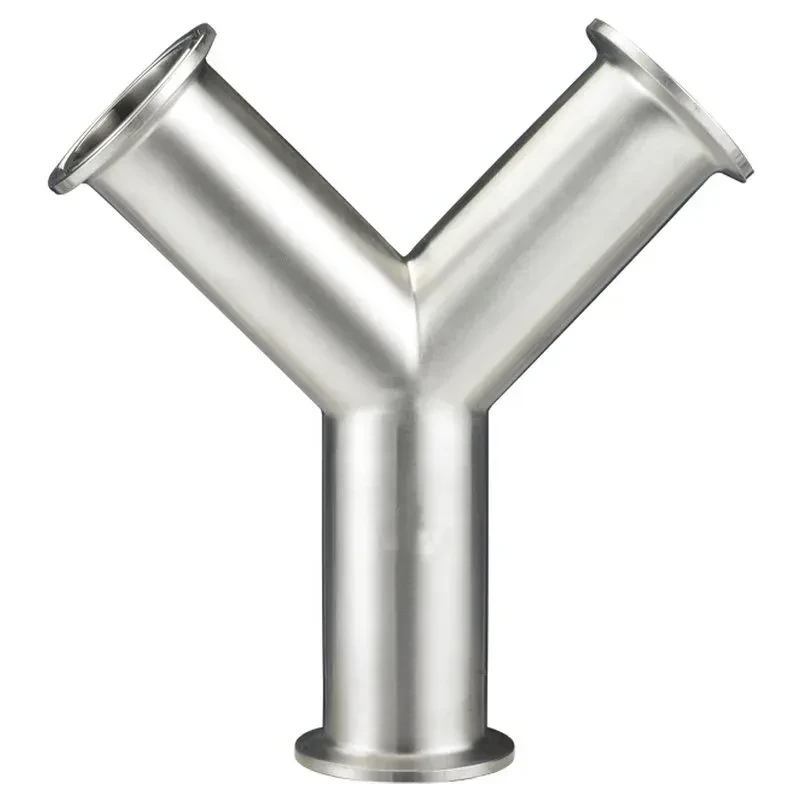
The design of stainless steel sanitary welding tees is not only for simple fluid diversion or confluence, but also to meet the process needs of high cleanliness, pollution-free and efficient transportation. It eliminates the possible leakage hazards and cleaning blind spots caused by traditional connection methods through welding connections, ensuring that the hygiene standards of the entire pipeline system meet strict industry requirements. Its interior has been polished to keep the fluid flowing smoothly on the inner wall of the pipeline, avoiding deposition and microbial growth, and is especially suitable for biopharmaceuticals, electronic chemicals and high-end food manufacturing. In addition, it can optimize fluid dynamics, reduce pressure losses, improve delivery efficiency, and support CIP/SIP cleaning and sterilization to ensure the sustained stability of the production environment.
Más en Tee
Productos relacionados
-
-
-
-
-
 Vídeo
Vídeo
-
 Vídeo
Vídeo
-
-
-
Vídeo
-
 Vídeo
Vídeo
-
-
 Vídeo
Vídeo
- Ver todo en Tee