
 English
 简体中文
简体中文
 Español
 Русский
 Português
 العربية

 Vidéo
Vidéo
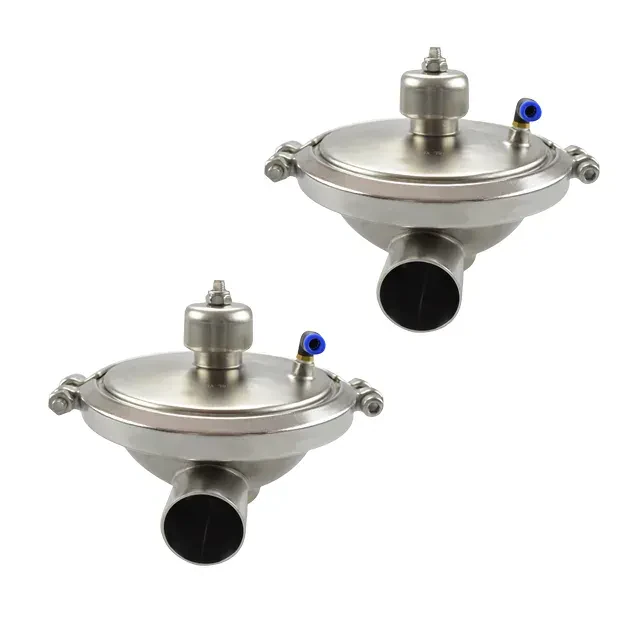
Vanne de régulation de pression constante
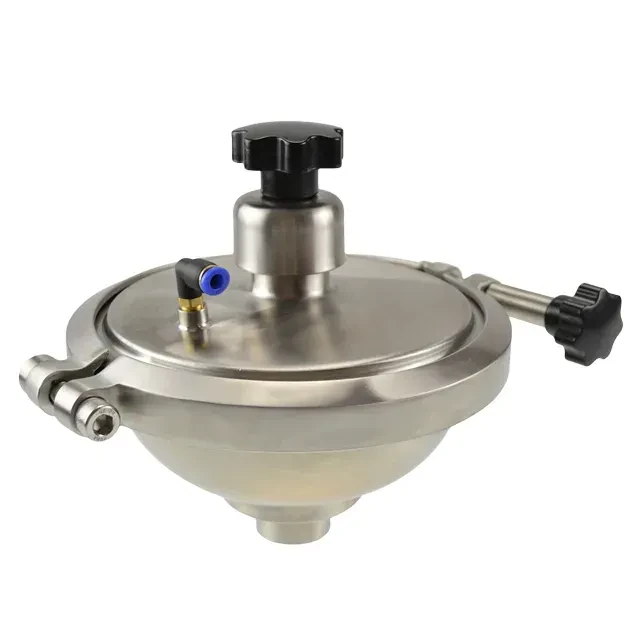
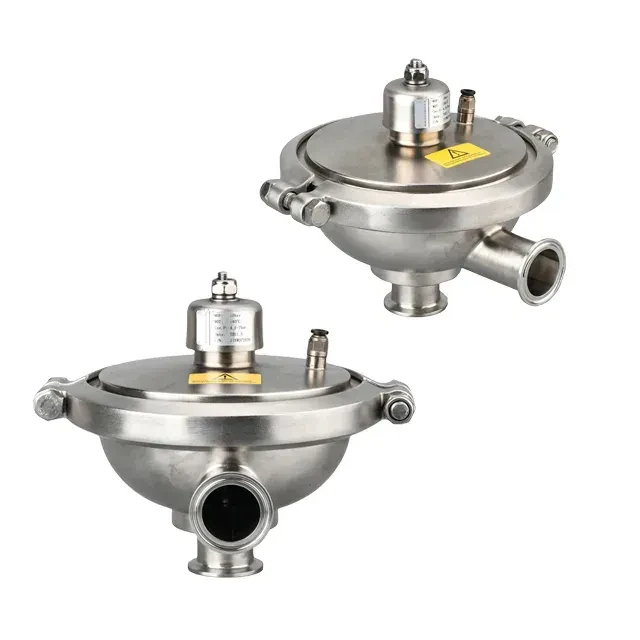
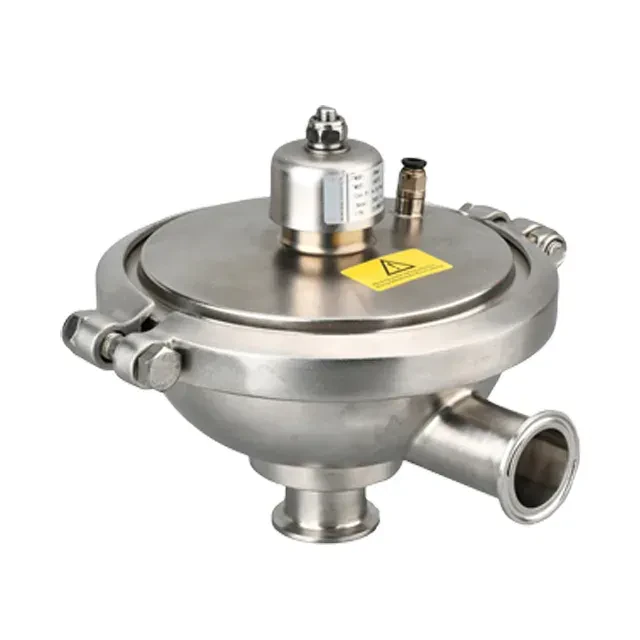
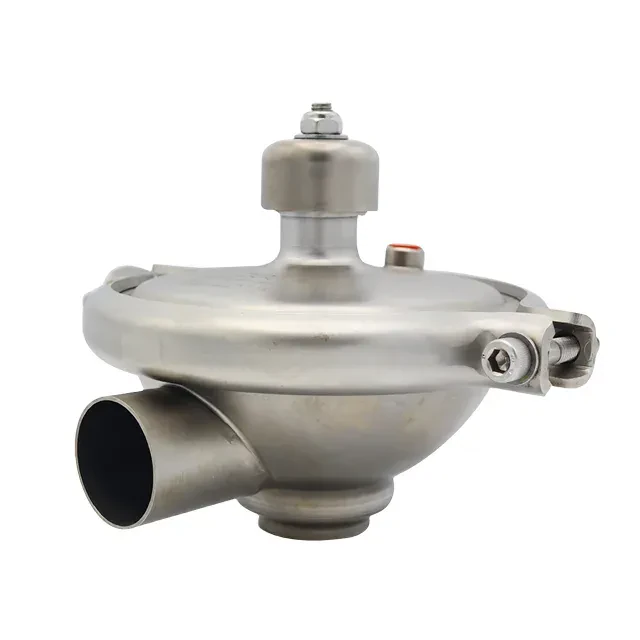
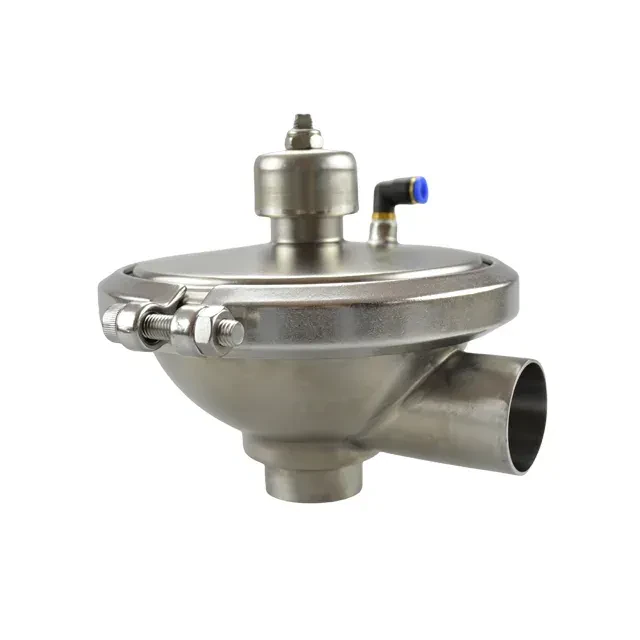
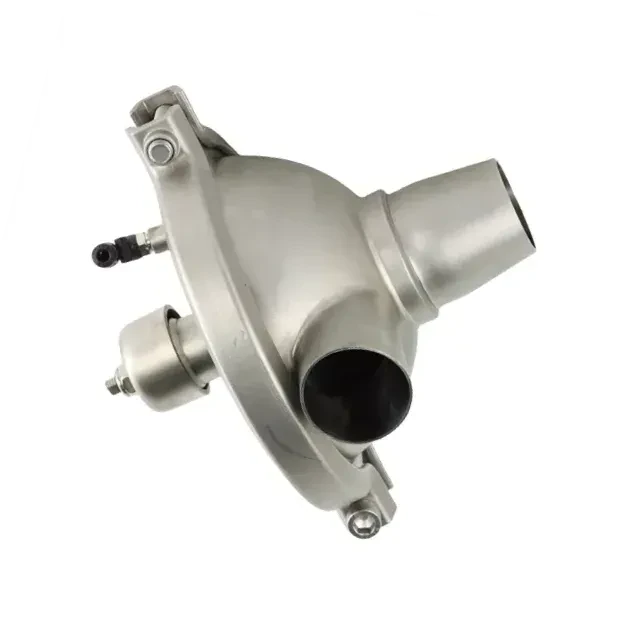
Stainless Steel Sanitary PN10 Welding Back Pressure Valve
- Marque
- JONENG
- Référence
- LD-767094588
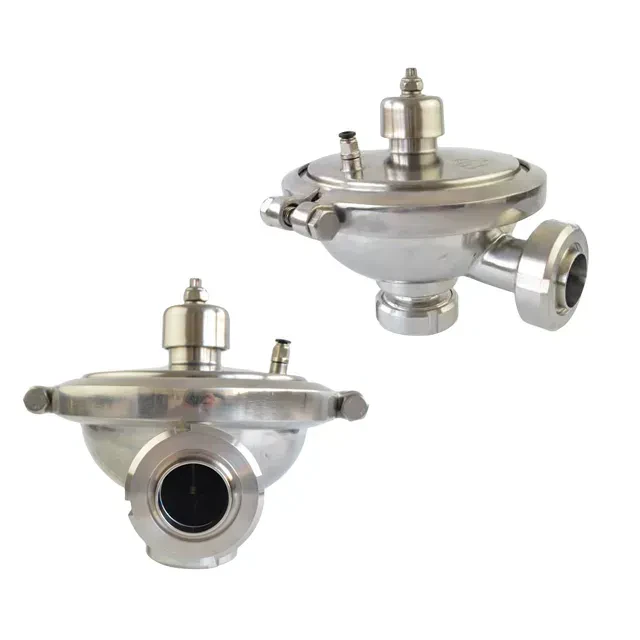
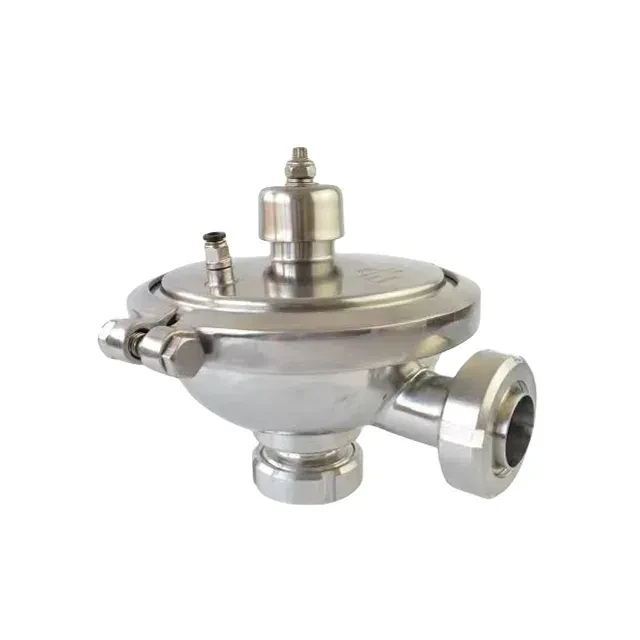
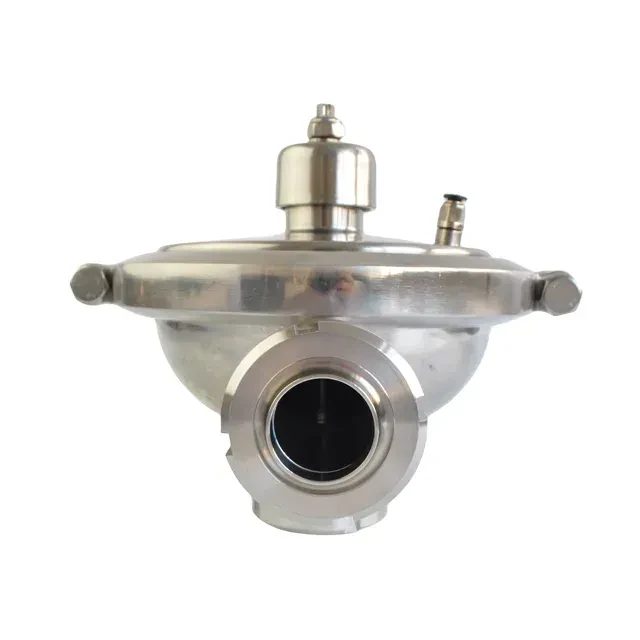
The stainless steel sanitary welded constant pressure valve is a valve connected by welding process. It is made of stainless steel. It maintains constant pressure to prevent pressure fluctuations in the pipeline system and ensure stable fluid output. The stainless steel sanitary welded constant pressure valve is usually used in pipeline systems in the food, pharmaceutical, chemical and other industries. It is often installed on inlet and outlet pipelines. The stainless steel sanitary welded constant pressure valve can be divided into the following types according to the working principle and structure: spring constant pressure valve, diaphragm constant pressure valve, pneumatic constant pressure valve, electric constant pressure valve, single seat constant pressure valve.
Description
The main purpose of the design of the stainless steel sanitary welded constant pressure valve is to maintain a constant pressure in the fluid pipeline system to ensure the stable flow of the fluid. This valve can automatically adjust the pressure to avoid system instability caused by external pressure fluctuations or load changes. It is particularly suitable for industries with strict hygiene requirements, such as food and pharmaceutical fields, to ensure the cleanliness and safety of the fluid system, while optimizing energy use, reducing the damage to equipment caused by pipeline pressure fluctuations, extending the service life of the system, and ensuring the efficiency and stability of the production process.
Plus dans Vanne de régulation de pression constante
Produits associés
-
Vidéo
-
 Vidéo
Vidéo
-
 Vidéo
Vidéo
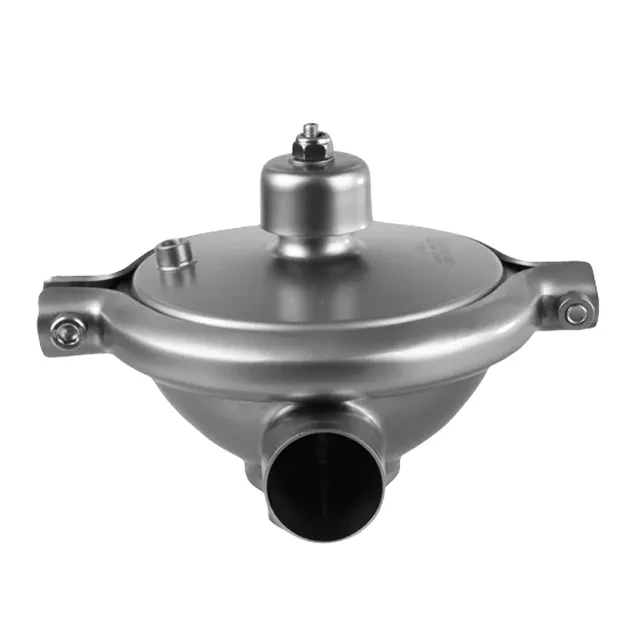
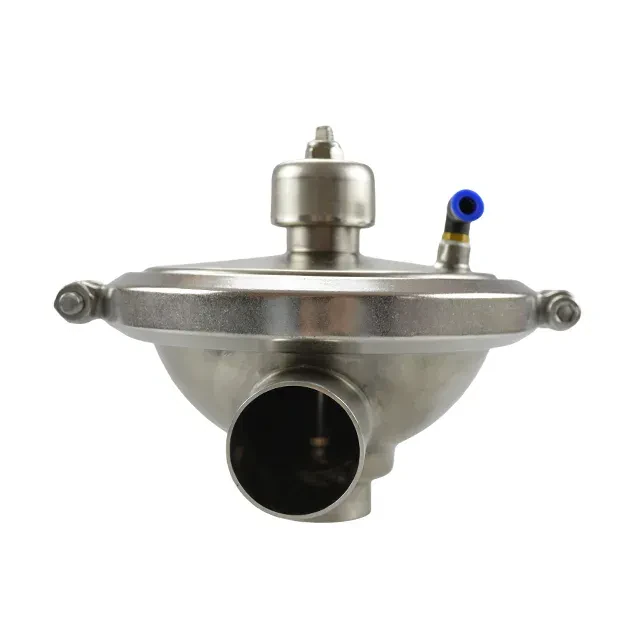
Stainless Steel Sanitary Balanced CPM Valve
LD-756094588
-
 Vidéo
Vidéo
-
 Vidéo
Vidéo
-
 Vidéo
Vidéo
-
 Vidéo
Vidéo
-
 Vidéo
Vidéo
-
 Vidéo
Vidéo
-
 Vidéo
Vidéo
-
Vidéo
-
 Vidéo
Vidéo
- Voir tout Vanne de régulation de pression constante