 English
 简体中文
简体中文
 Español
 Français
 Português
 العربية

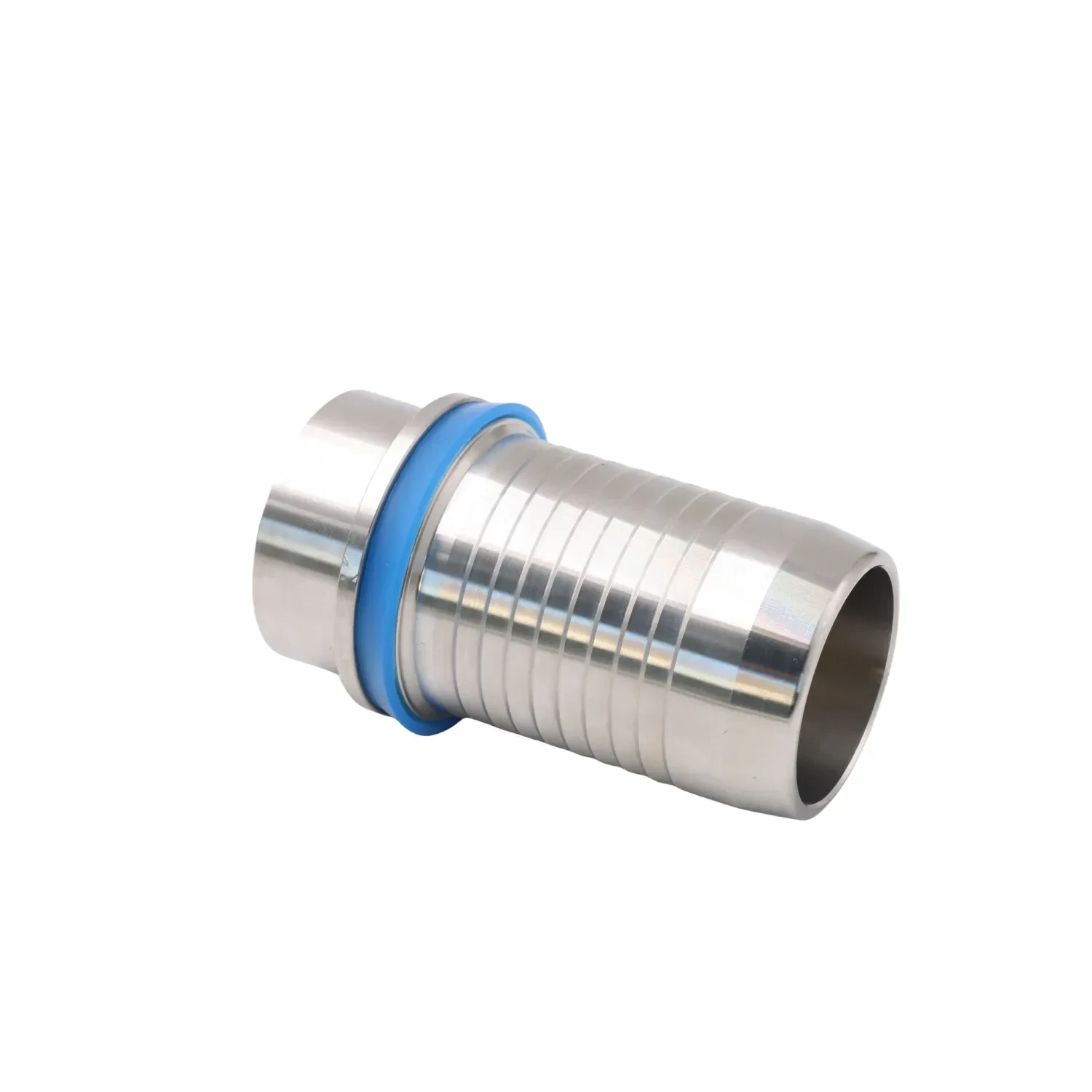
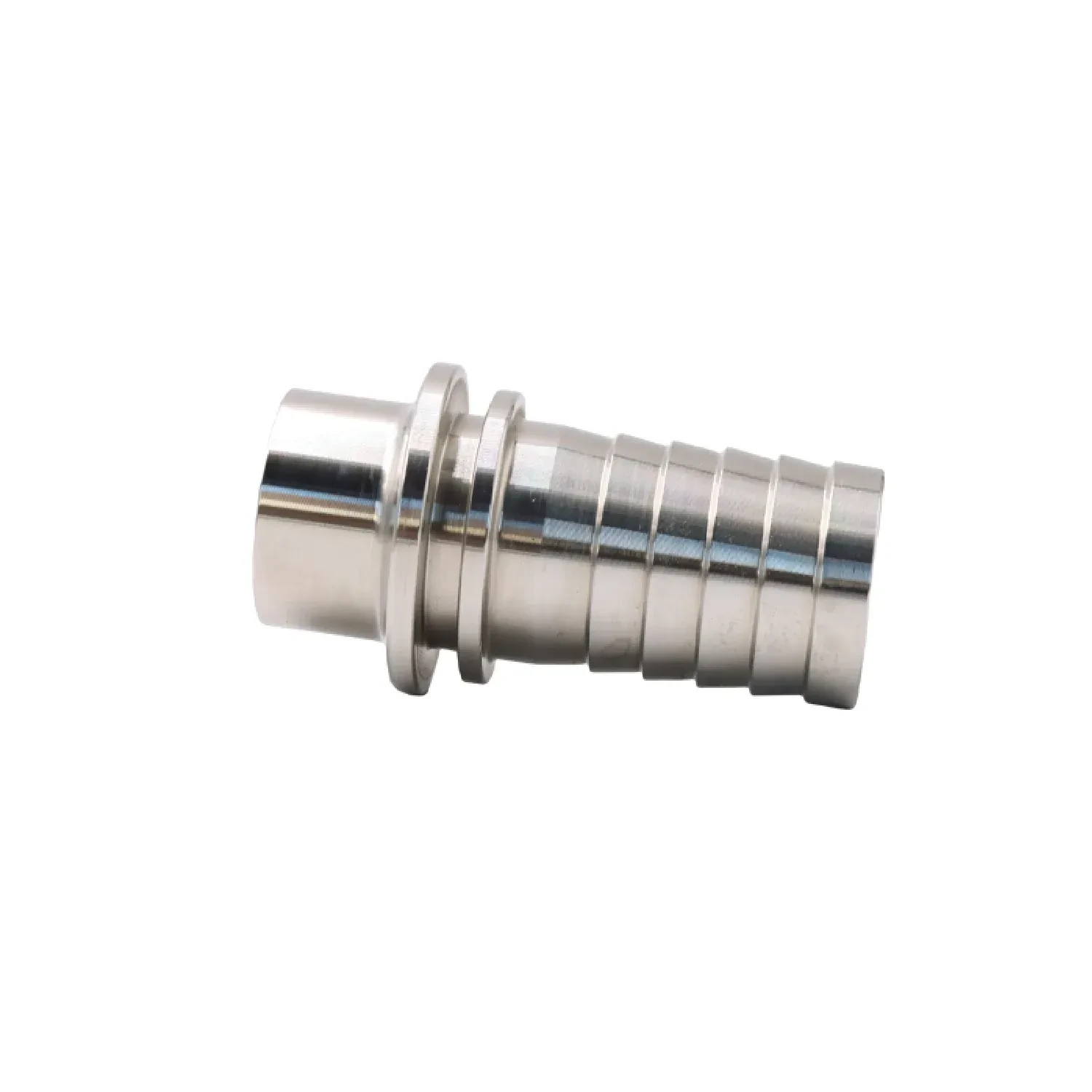
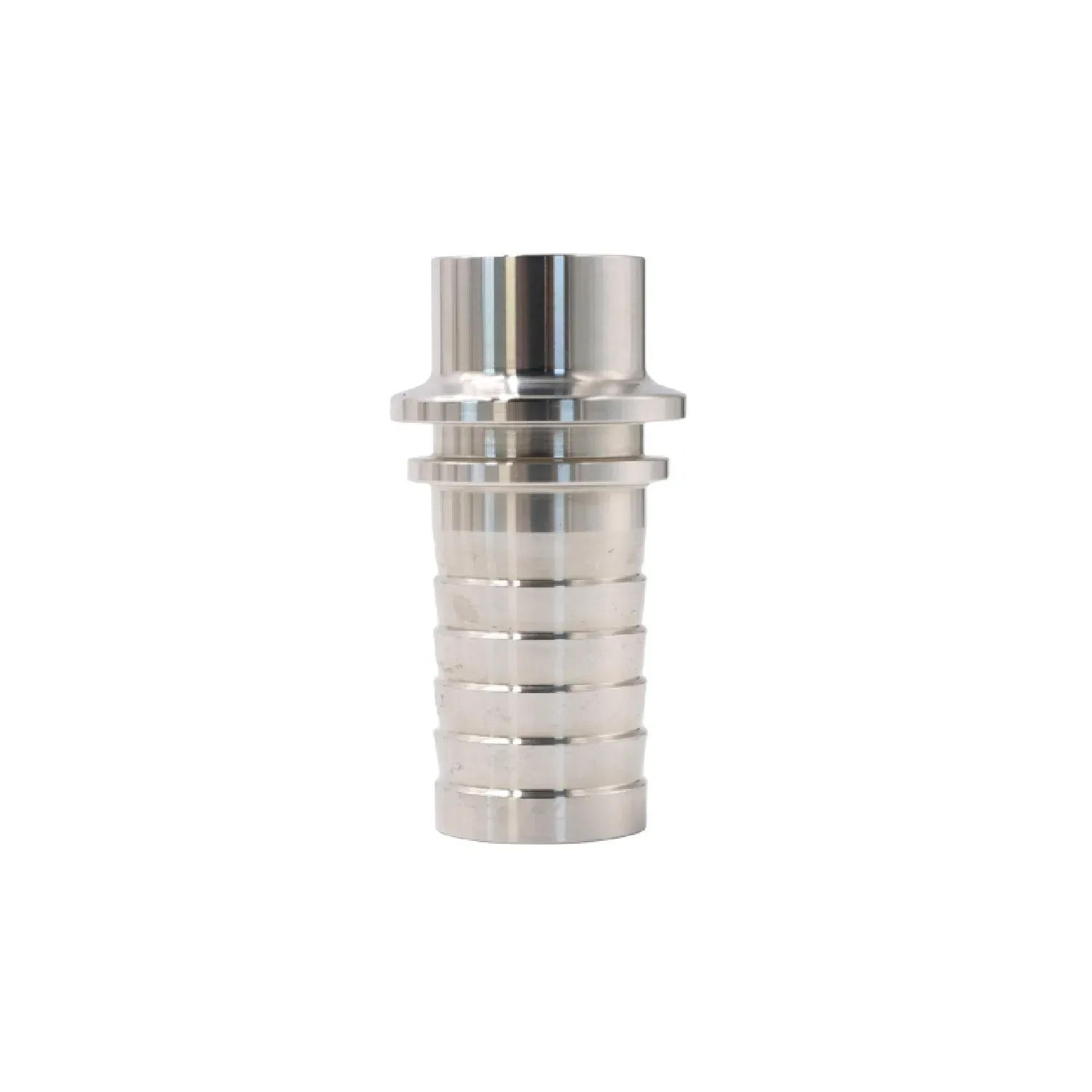
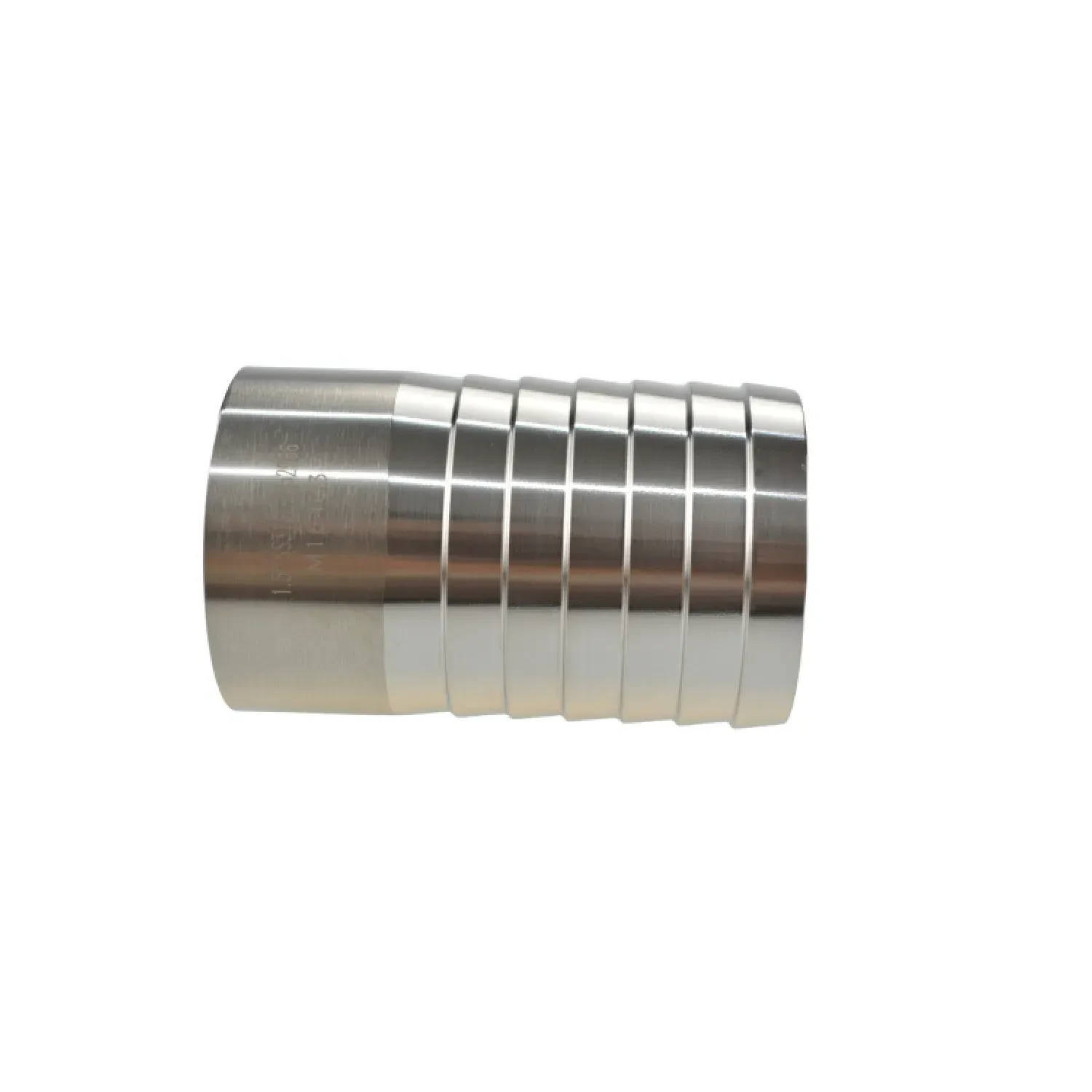
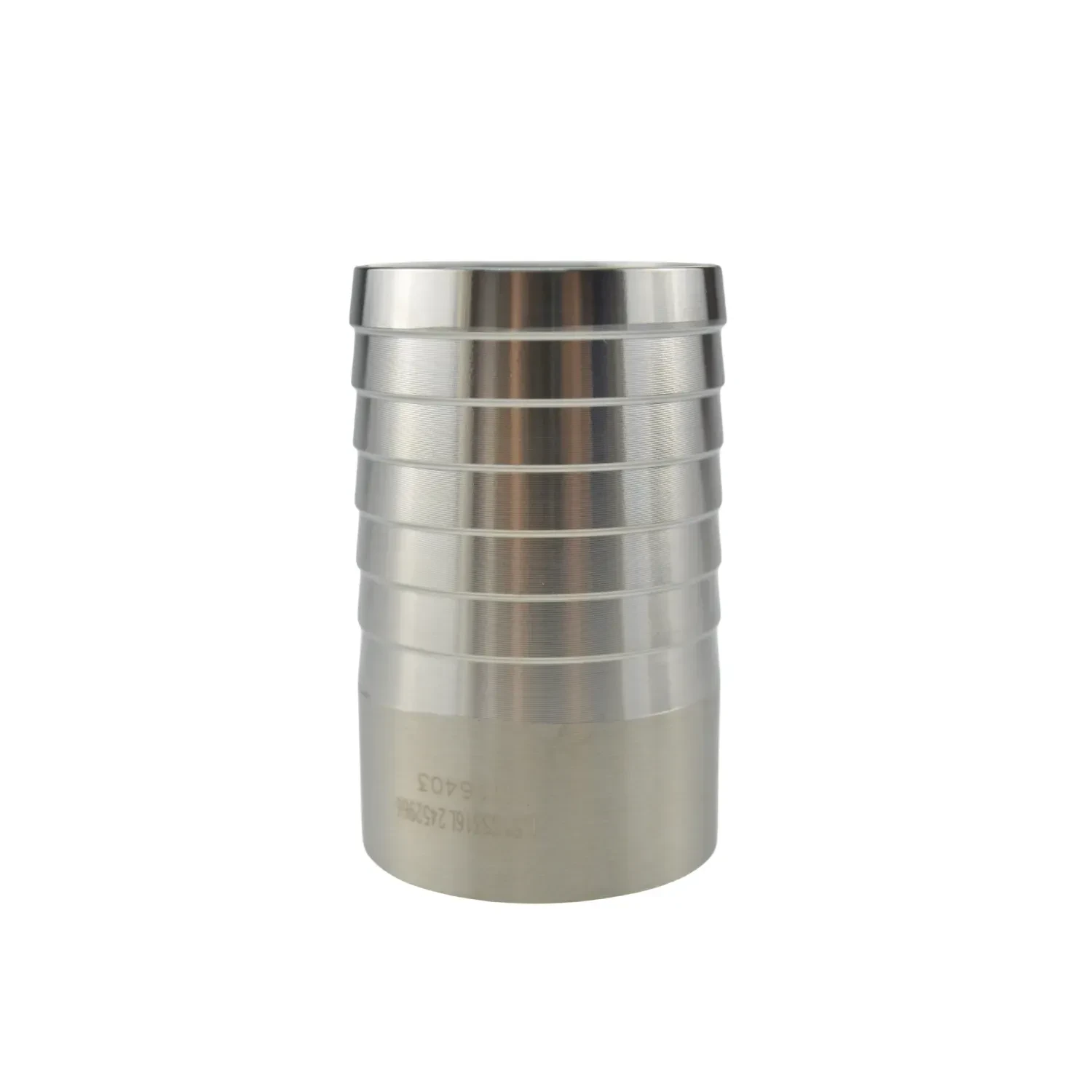
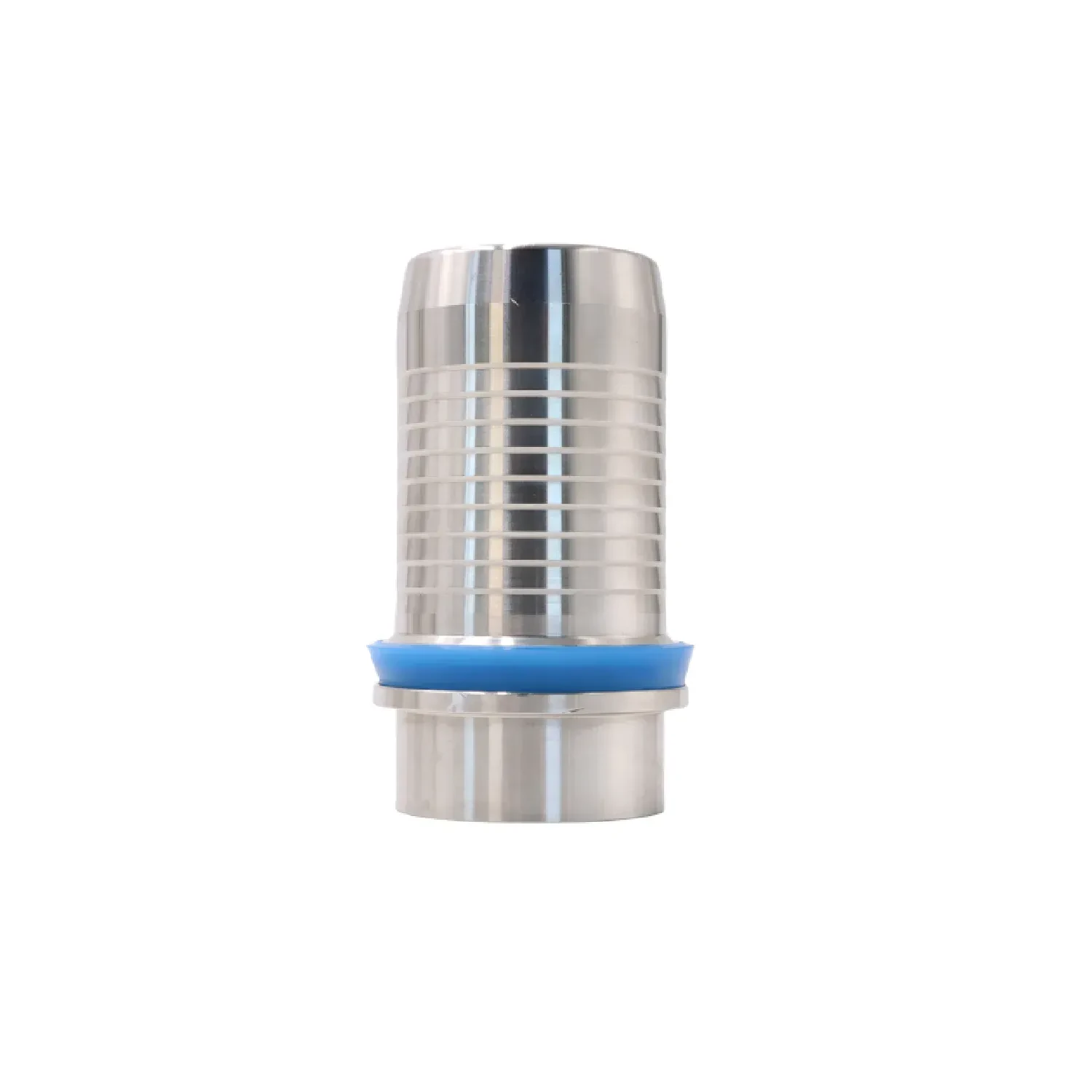
Hose Adaptor
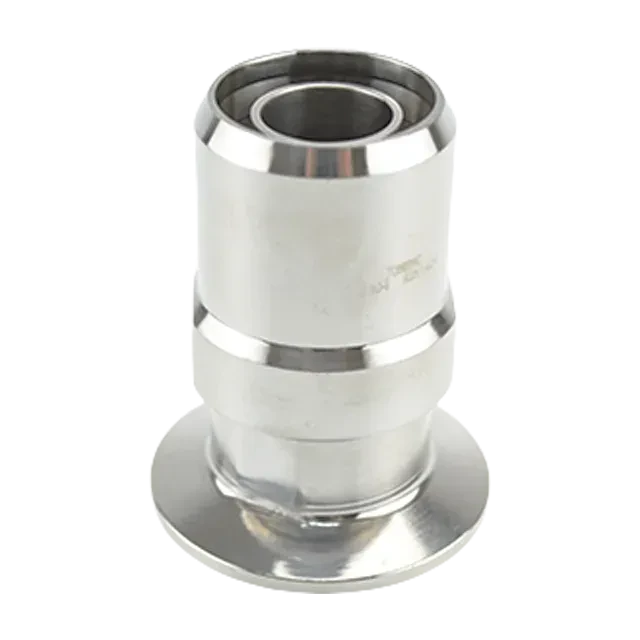
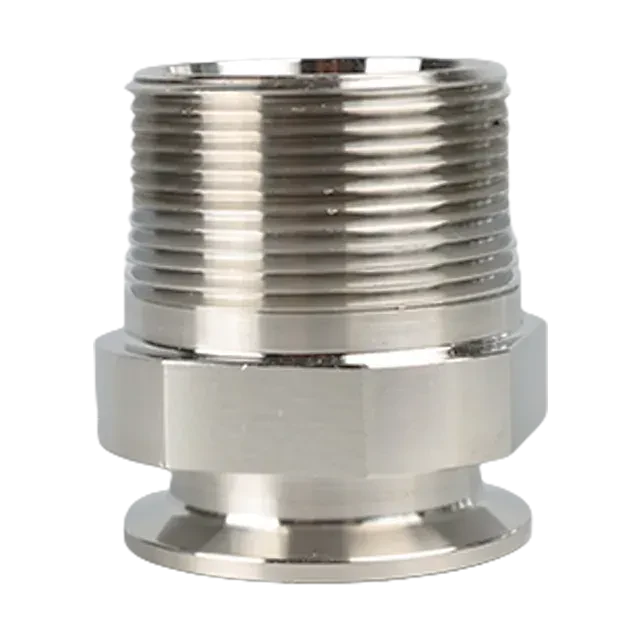
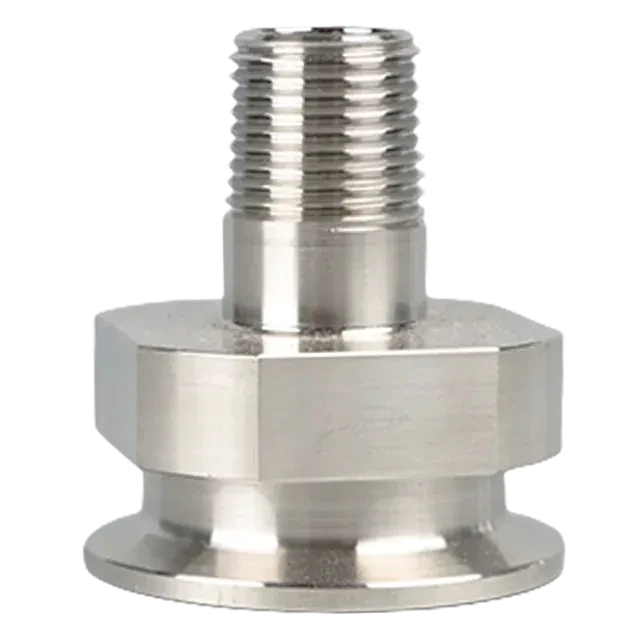
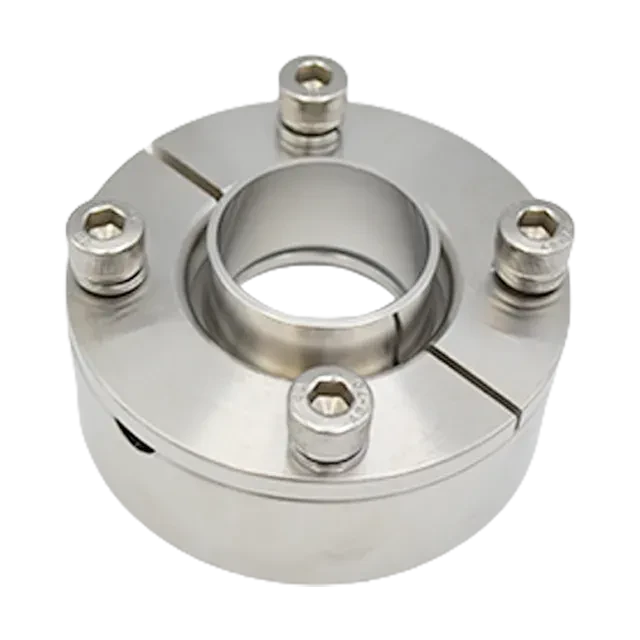
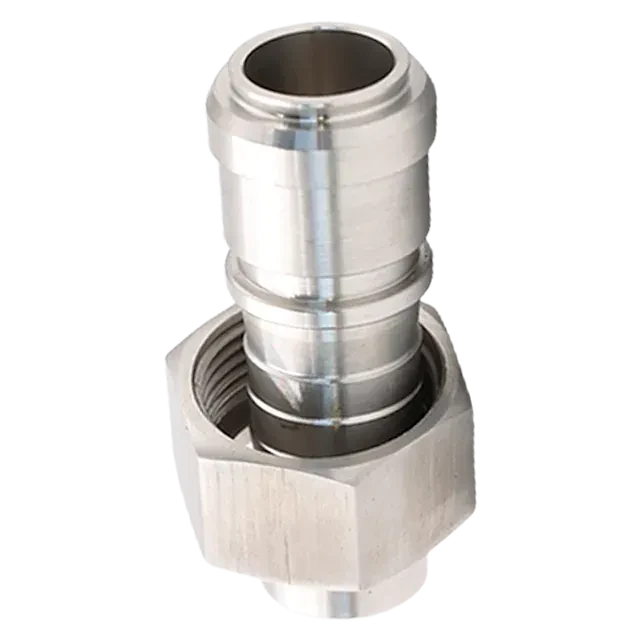
Stainless Steel SS304 Sanitary Grade 14MPHR.14WHR JN-FL 23 2004 High Pressure Welded Hose Adapter Seal Ring
- Бренд
- JONENG
- Модель
- JN-FL 23 2004
- Артикул
- LD-581169878
A rubber joint, also known as an expansion joint or flexible connector, is a type of mechanical device designed to absorb and accommodate movement and vibration in piping systems, machinery, or other applications where flexibility is required. These joints play a crucial role in preventing stress, misalignment, and damage to connected components.
Description
Stainless Steel SS304 Sanitary Grade 14MPHR.14WHR JN-FL 23 2004 High Pressure Welded Hose Adapter Seal Ring
The primary component of a rubber joint is the rubber itself. Various types of rubber compounds may be used, such as EPDM (ethylene propylene diene monomer), neoprene, natural rubber, or other synthetic rubber materials. The rubber provides flexibility, resilience, and the ability to absorb movement and vibrations. The bellows or flexing element is the accordion-like structure that allows the rubber joint to flex and absorb movements in multiple directions. Flanges and end connections that facilitate the attachment of the joint to other components in the piping system. Flanges are commonly made of metal and are either bonded or bolted to the rubber joint.
The primary function of a rubber joint is to absorb movements and vibrations in a system. The flexible bellows or accordion-like structure of the rubber joint allows it to expand, contract, and bend in multiple directions, accommodating axial, lateral, and angular movements.
When pipes or components in a system undergo thermal expansion or contraction, the rubber joint's axial flexibility allows it to elongate or compress accordingly, preventing undue stress on the connected components. Rubber joints can also accommodate lateral movements, angular movements, thermal expansion and contraction.
Ещё в категории Hose Adaptor