
 English
 简体中文
简体中文
 Español
 Français
 Português
 العربية
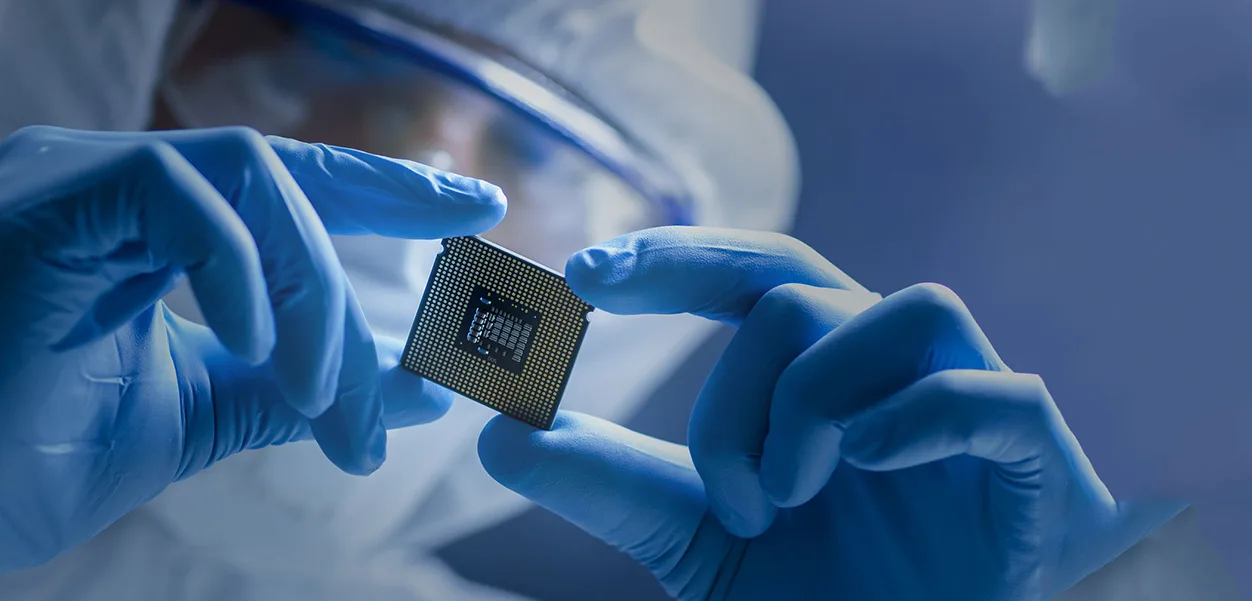
- Пример из практики
- ОАЭ
- 2025
Manifold weld micro-leaks in a data centre
Manifold weld micro-leaks are the defects that pass the test and fail the year. In a Dubai data centre cooling AI compute, they were opening up under thermal cycling months after the manifolds had been signed off.
Where the manifold sits
AI workloads moved liquid cooling from an option to a requirement, because air stopped being able to carry the heat out of a dense rack. The stainless manifold is the circulatory system of that arrangement. It takes coolant from the plant and distributes it — at the right flow and the right pressure — to every component that needs it.
This customer operates data centres in Dubai and is deploying large AI compute clusters. Their problem was not with the cooling design. It was with what they could buy to build it from.
Where manifold weld micro-leaks come from
A liquid cooling manifold is dozens to hundreds of welds, and each one is somewhere a leak can start. Thin-walled stainless tube is unforgiving about this. Hold the arc a moment too long and you burn through. Run without a proper purge and the inside of the joint oxidises and blackens. And hand work varies from joint to joint, no matter who is holding the torch.
What the customer had been receiving showed all of it. Burn-through. Blackened inner walls. Slag left inside the run, where it would later travel in the coolant. Porosity, and welds that never fully penetrated the joint.
The dangerous part is that almost none of that leaks on the day. It passes a hold test and it ships. Then thermal cycling and pressure swings work the flaw, day after day, until a defect that was microscopic is a leak. What follows is slow coolant loss, so heat dissipation quietly degrades before anybody is alerted. Then coolant reaches electronics, which in a room full of GPUs is not a maintenance ticket.
So the specification was not a manifold that is leak-tight at delivery. It was a manifold still leak-tight in year three.
What we supplied
Welds that do not vary, and a test that finds what a pressure gauge cannot.
The joints are made on fully automated orbital TIG and precision laser welding. An orbital head runs the same parameters the whole way round the tube. The weld at the end of the circumference is the weld at the start. With the purge controlled, the inside comes out smooth and bright rather than scaled. Burn-through, porosity and lack of penetration are not so much caught by inspection here as not produced.
Around that, the process is written down and held: base material, filler, shielding gas, purge, parameters. Improvisation is what made the customer's previous manifolds inconsistent, and it is the first thing a standardised process removes.
Then every manifold is helium mass-spectrometry leak tested before it ships. Helium resolves leak rates orders of magnitude below anything a pressure decay test can see. It finds the defects that were going to become next year's leak, while they are still nothing at all. The tube is checked for wall thickness before any of it is welded, and the finished assembly goes through pressure testing alongside the helium check.
What it changed
The manifolds supplied have run continuously with no leak and no pressure anomaly, and the unplanned downtime the customer had been taking from leaks stopped.
The same build has since gone to a North American operator. That is the more useful result of the two: the outcome came from the process rather than from a good batch.
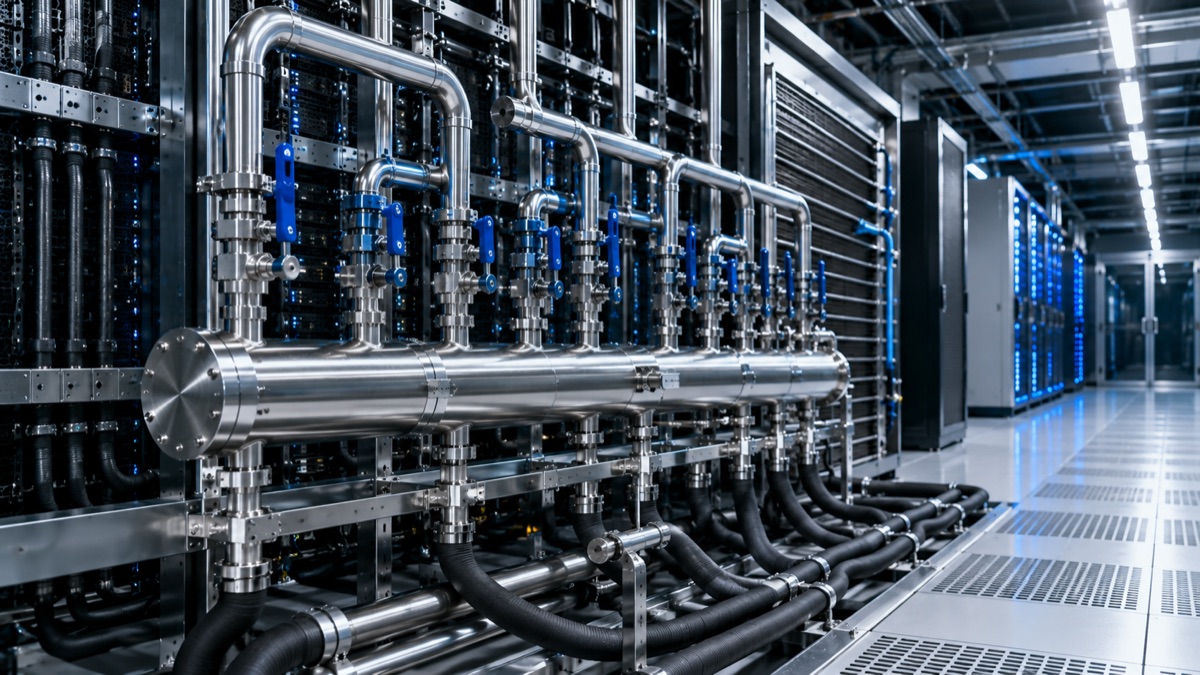
Why this one came to us
Everything above depends on control at the source, so that is where the effort goes. The stainless arrives with an inspection report covering chemical composition, mechanical properties and surface condition, and it is checked rather than taken on trust.
The capability behind it is in-house, and it runs the length of the job. Material selection, weld process development, oxygen control inside the tube while welding, and helium mass spectrometry at the end. The internal surface we are aiming at is mirror-bright, unoxidised and free of slag. That is not for the look of it. An oxidised, slag-bearing inner wall is both a contamination source for the coolant and the place corrosion starts.
Zero leakage is an unforgiving thing to promise. What makes it promisable is that nobody here signs a manifold off on the strength of it having passed inspection today.
Происходит ли это на вашей линии?
Сообщите размер, присоединение и рабочую среду — и получите предложение с ценами, а не просьбу уточнить детали.